So you’ve just got a fine-line tattoo or are planning one, and you’re asking the right question: How do I stop my fine-line tattoo from fading? Especially in Melbourne, where our changing seasons, beach weekends and café-hopping lifestyle can do a number on delicate ink.
Here’s the good news: with the right prep, care and maintenance, your tattoo can stay crisp for years. And as someone who’s seen (and saved) many a faded line in my time as a tattoo artist and permanent makeup expert, I’m here to walk you through it all.
Contents
Why thin tattoos fade faster
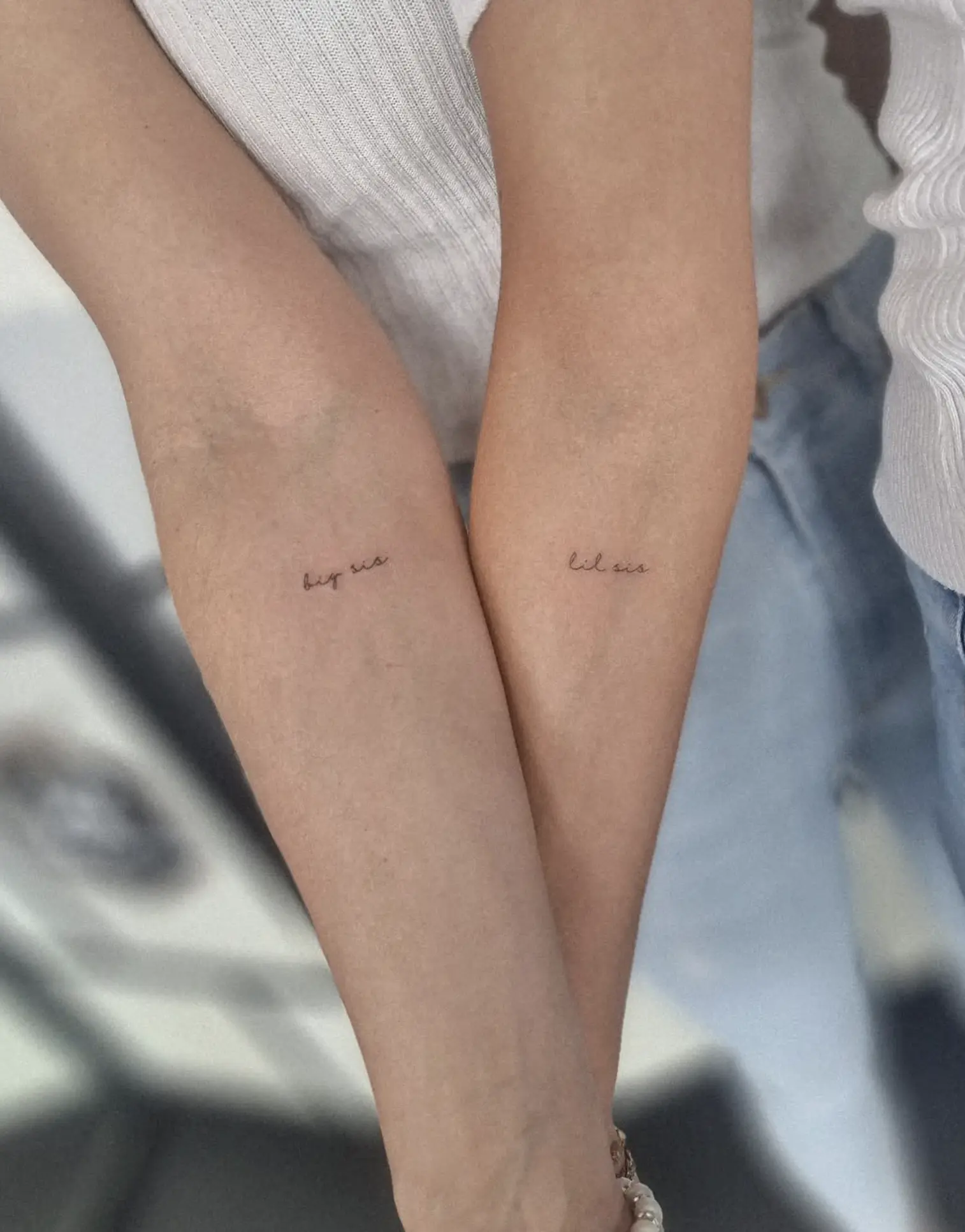
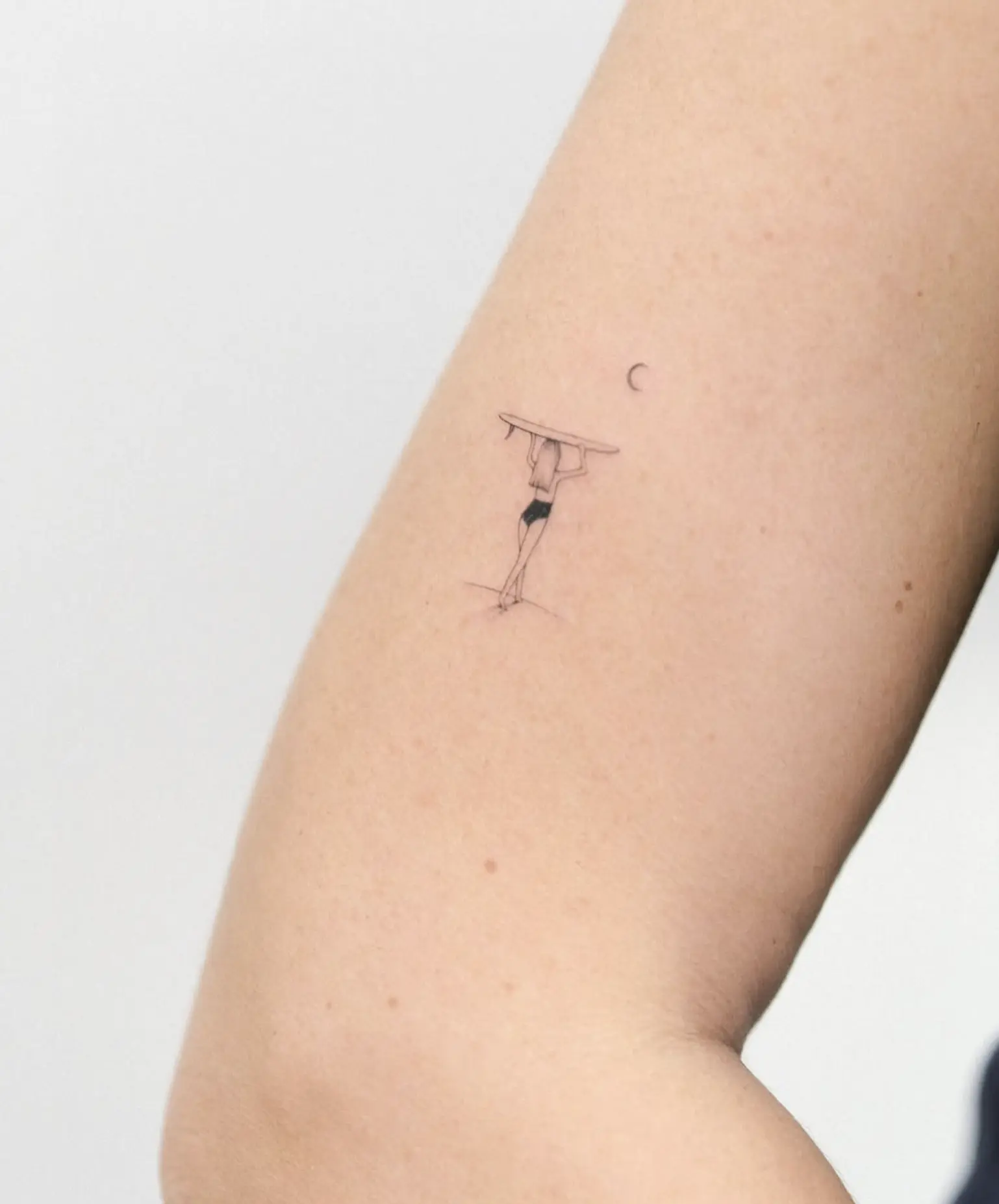
Not all ink ages the same. Thin-line tattoos are delicate by design — but that same minimal ink load is also why they’re more likely to blur or fade over time.
Think of it this way: traditional tattoos use thicker needles and more pigment, giving them more to “hold onto” as your skin regenerates. Fine-line tattoos often use a single needle for line work, which means:
- Less ink deposited under the second layer of skin
- Shallower penetration (especially if done with a lighter hand)
- More susceptible to movement and fading as the skin heals
That doesn’t mean your dainty design is doomed. It just means it needs a bit more TLC — especially during healing and long-term care.
As a permanent makeup artist, I see the same challenges with subtle facial ink, and the same care principles apply.
The biggest tattoo-fading culprits
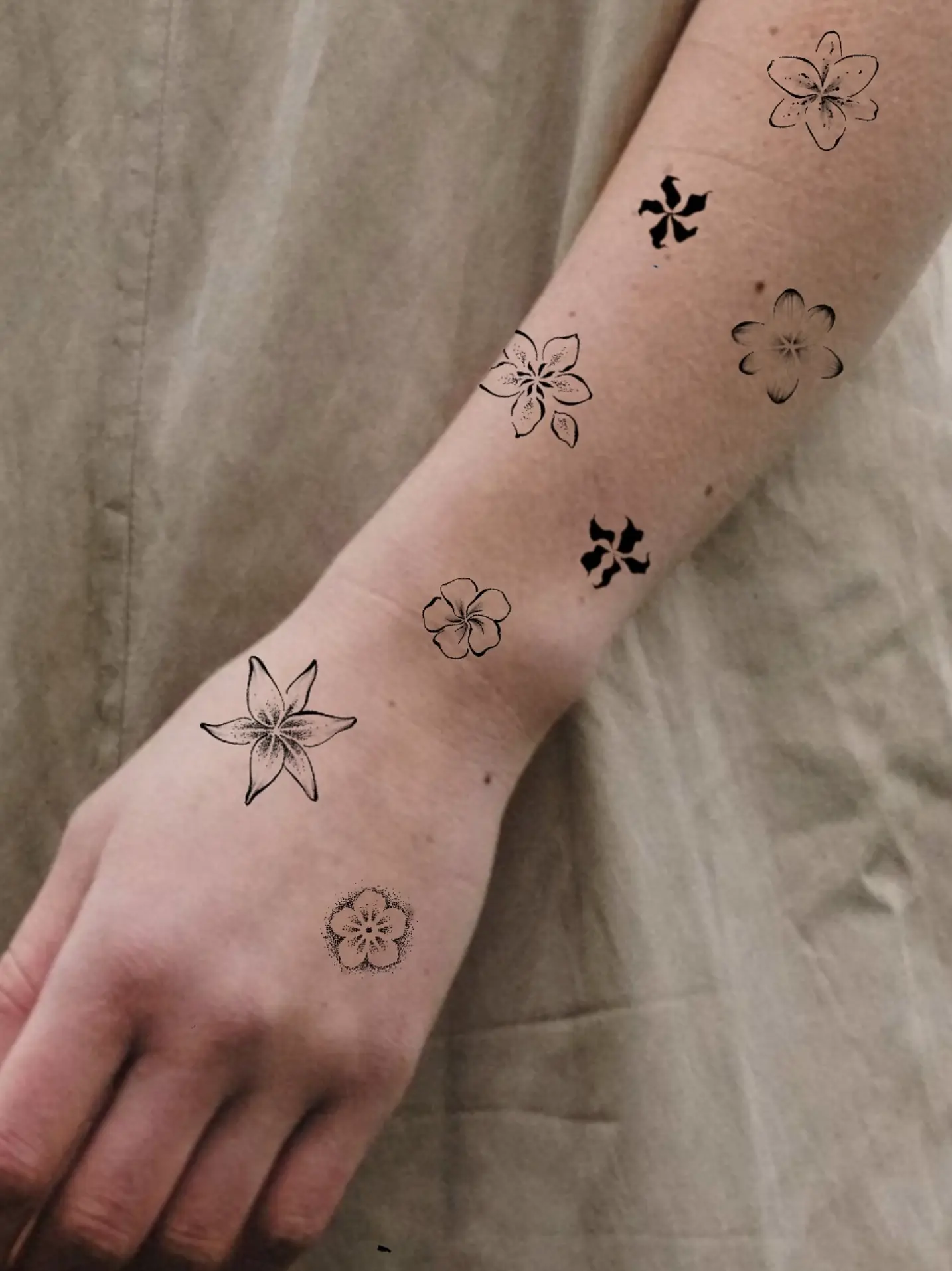
Let’s talk about what causes fading in the first place. Spoiler: most of it can be avoided with the right habits.
Sun exposure: the ultimate ink killer
UV rays are public enemy #1 when it comes to fine-line tattoos. Sunlight breaks down tattoo inks and pigment molecules, leading to faster fading, especially in black and grey designs.
What to do:
- Cover your tattoo in direct sun, especially in summer
- Always use SPF sunscreen (50+) on healed tattoos (mineral sunscreen is best for sensitive skin)
- Avoid fake tans and tanning beds altogether
Friction and clothing
If your fine-line tattoo is on a high-movement area (hello ribs, finger tattoos, ankles), expect it to fade faster. Tight clothing, frequent rubbing or even your gym leggings can wear the ink down.
What to do:
- Wear loose, breathable clothing during healing
- Avoid exfoliating over tattooed skin
- Moisturise with calendula oil or shea butter to reduce friction damage
Many students who do a fine line tattoo course are surprised how much aftercare impacts long-term results — but it’s essential knowledge for creating long-lasting work.
Aftercare makes all the difference
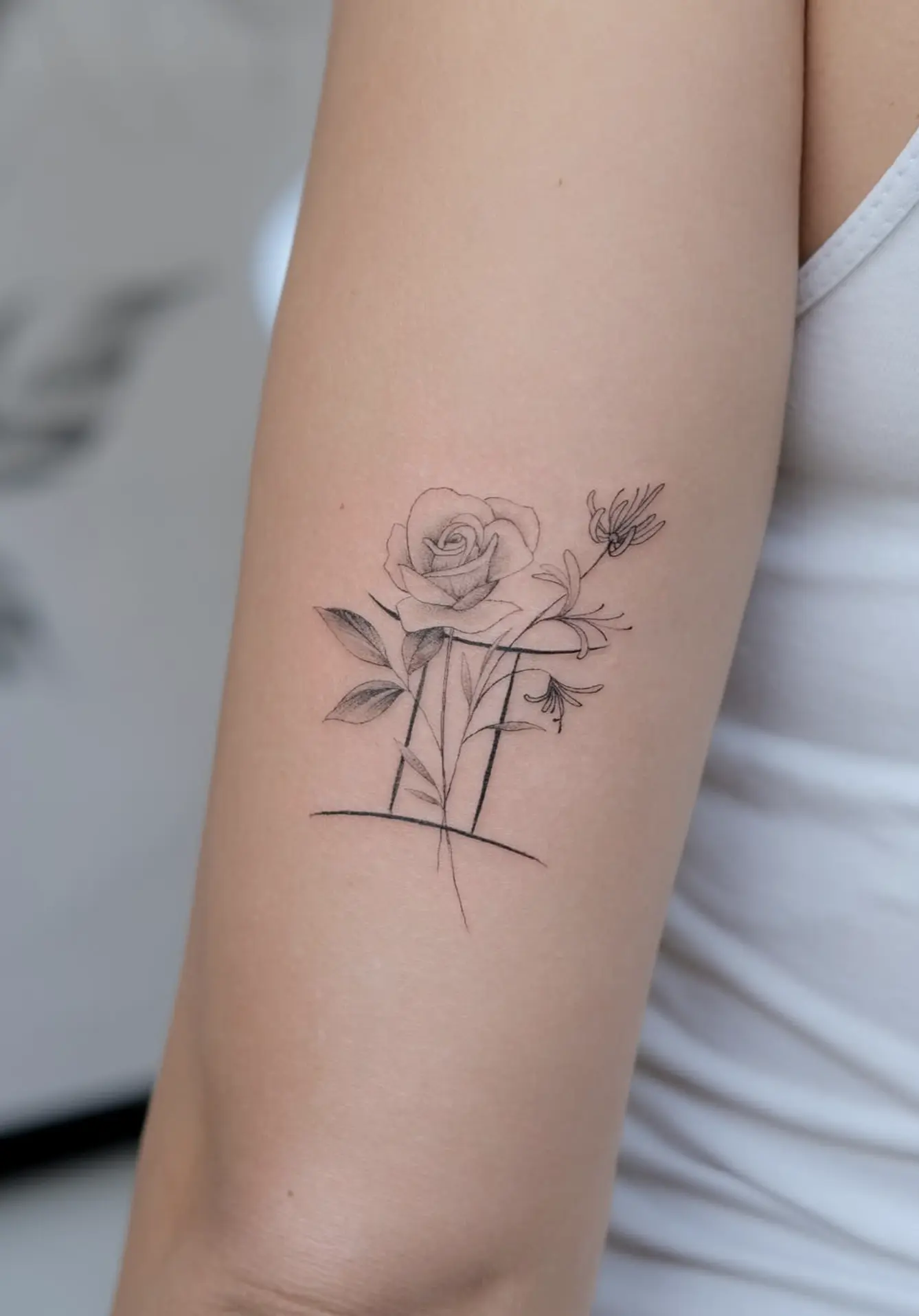
Tattoo aftercare isn’t just about avoiding infection — it’s your tattoo’s best defence against early fading. Fine line tattoos are especially vulnerable in the early healing stages.
Your healing timeline
| Day | What Happens | What To Do |
|---|---|---|
| 1 | The tattoo is fresh, slightly red or swollen | Keep it clean and bandaged with a waterproof film dressing like Second Skin |
| 2-4 | Scabbing begins, and mild flaking may start | Wash gently, apply tattoo aftercare balm |
| 5-10 | Flaking increases, colour may look dull | Don’t pick! Stay moisturised |
| 11+ | Tattoo settles into the skin | Use SPF, keep hydrated |
Your skin regenerates from the inside out, so even when your tattoo looks healed, it’s still vulnerable under the surface. Plasma fluid release in the early days is also part of the natural healing response from your body.
Products that help
Look for aftercare balms or ointments that are:
- Fragrance-free
- Petroleum-free (let the skin breathe)
- Made for tattoos (like Hustle Butter, Ink Nurse or coconut oil-based balms)
At Face Figurati Cosmetic Tattoo Studio in Melbourne, we give every client a tattoo pack with professional-grade ointment and a detailed aftercare guide. It’s all part of giving you a positive tattoo experience from start to finish.
Tattoo placement matters (a lot)
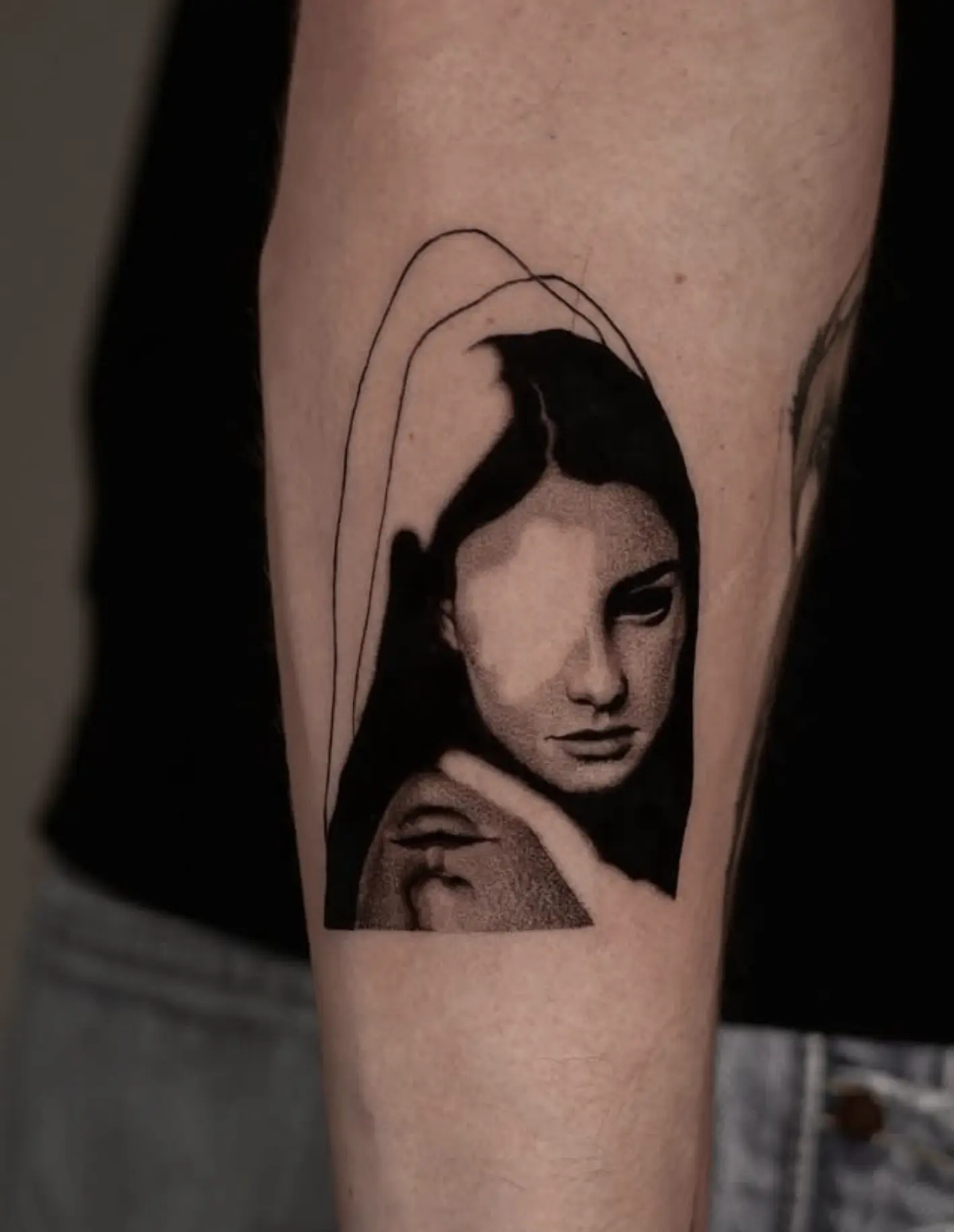
Where you get inked matters a lot. Some areas are more prone to fading just from daily use.
| Placement Area | Fade Risk Level | Why |
|---|---|---|
| Fingers & hands | Very High | Constant washing & sun |
| Ankles & feet | High | Friction from shoes |
| Ribs & sides | Medium | Stretching from breathing |
| Inner forearms | Low | Low sun + minimal friction |
| Upper thighs | Low | Protected by clothing |
When booking a fine line tattoo, ask your tattoo artist about placement longevity — we can help guide you to areas that age well.
As a cosmetic tattoo artist, I also consider skin tone, texture and movement when planning ink placement — every element matters.
Can it be touched up?
Yes, and they often should be.
Because the ink is so subtle even a perfectly healed fine line tattoo can lose its edge over time. That’s why many artists (myself included) offer touch-up appointments around the 6-12 month mark.
Signs it’s time for a touch up:
- Lines have blurred or spread
- Gaps have formed in the design
- Ink colour looks washed out or patchy
A quick session with a skilled tattoo artist using a quality tattoo machine can bring it back to life — but the earlier you go, the better the results.
Age, skin type and lifestyle all play a role
You and your skin are one of a kind, and your tattoo will respond accordingly.
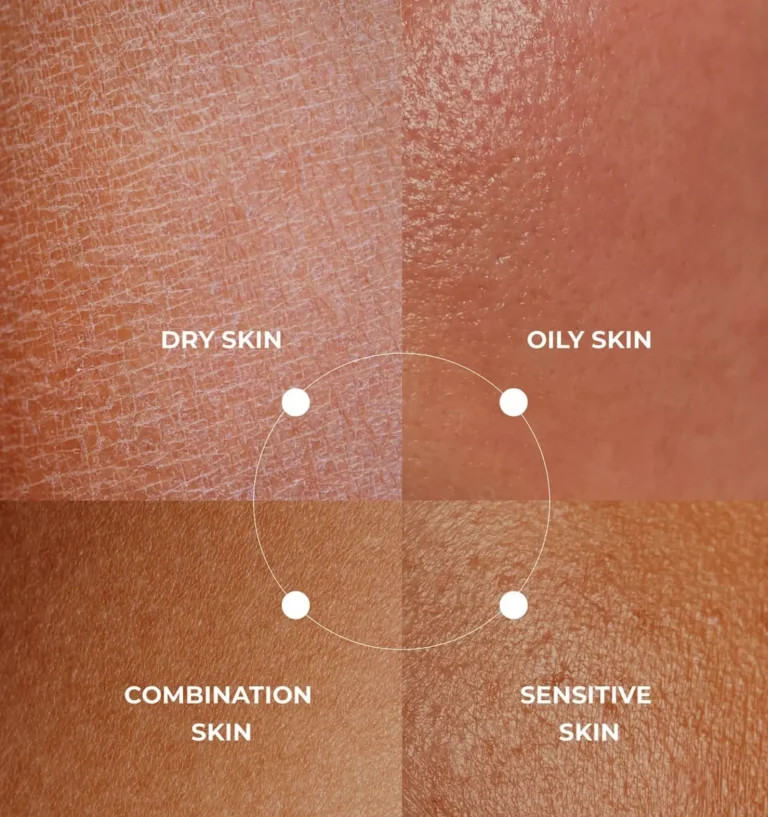
- Oily skin may cause ink to spread slightly
- Dry skin may scab more aggressively
- Mature skin may need gentler technique to prevent blowouts
- Active lifestyles (think surfers, tradies, gym-lovers) need extra fade protection
Your immune system also plays a role in healing time and how well pigment settles.
At my studio, we assess your skin type and daily habits before designing anything. Fine line work isn’t one size fits all. It’s one of the core concepts we explore in depth in my fine line tattoo course — because client safety and outcomes matter more than style trends.
Tattoo trends 2025
It’s not just about the ink — it’s about the trend.
In 2025, fine line tattoos are still going strong in Melbourne, but some trending styles are more prone to fading:
- White ink designs: minimal contrast = fast fade
- Tiny tattoos or micro tattoos: often placed on fingers or ribs = high movement
- Single needle shading: beautiful but more fragile
Doesn’t mean you shouldn’t get them. Just means you’ll need the plan to keep them looking great. Touch ups, care and artist choice matter more than ever.
Real studio story
One of my clients came in with a fine-line floral collarbone piece that had started to fade and blur after just 6 months. It was her first tattoo, done overseas, and she hadn’t been told about sun protection or moisturising.
We did a full assessment, recommended SPF sunscreen with calendula oil base and a retouch plan, and within a few weeks, her lines were back to crisp.
Moral of the story? Fading isn’t failure. It just means your tattoo needs a little tune-up, and a little care goes a long way.
FAQs
How long do fine-line tattoos last?
With good care and sun protection, most last 1–3 years before needing a touch-up. Placement and skin type matter too.
Can I stop fading completely?
Not completely — your skin is a living organ that changes over time. But you can slow it down with proper tattoo aftercare and lifestyle choices.
Will moisturiser make my tattoo fade less?
Yes. Hydrated skin with natural ingredients like shea butter or coconut oil keeps your ink looking sharper longer.
Do vegan inks or pigments fade faster?
Not necessarily. Quality matters more than label claims. Always ask your tattoo artist about the tattoo inks they use.
Is laser the only way to fix a faded fine-line tattoo?
Nope. Often a skilled touch-up using a single needle tattoo technique can restore the design. Laser is more common for removing unwanted tattoos, not reviving them.