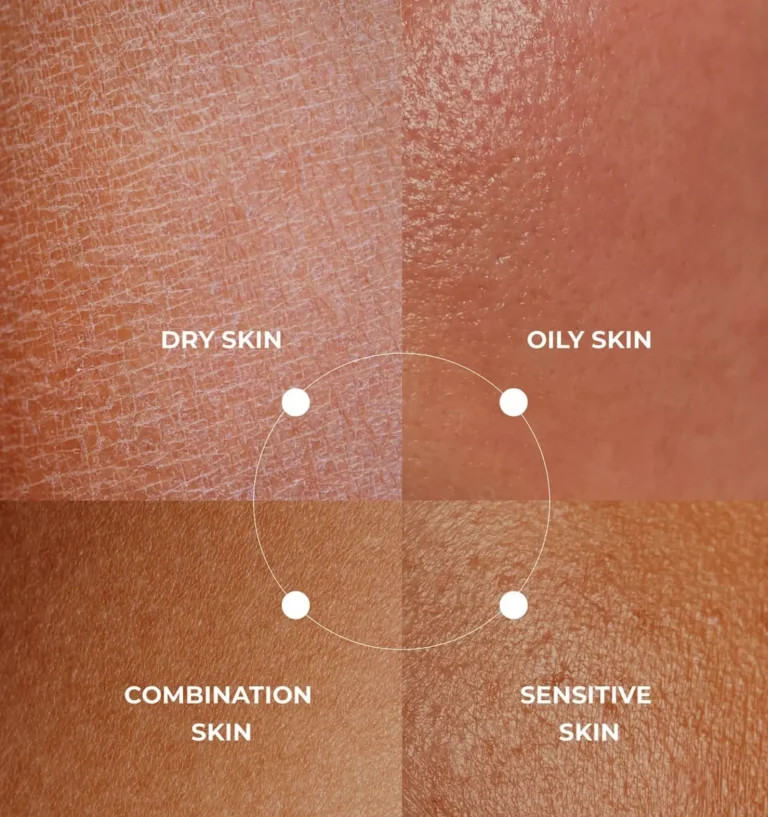
What are the 4 skin types I get asked about all the time when new clients roll in at The Facial Hub, who are a bit panicked after Googling “facials near me” and getting lost in all the skincare products that claim to be the magic bullet? I’m Sevine Forster, a Brisbane local, skin therapist & confessed science nerd, and I aim to cut through the confusion and get you in tune with what your skin is trying to tell you before you waste another cent.
Whether your skin is running hot with oil, desperately dry or just plain normal, or maybe super sensitive – throw in some hormonal ups and downs, the Queensland heat & sun, and lifestyle changes, and it’s no wonder so many people are stumped – including myself before I started learning the ropes. When you finally come in for a facial in Brisbane or take the plunge and book a deeper consult with me at The Facial Hub, that’s when the penny starts to drop.
Contents
- 1 Understanding Your Skin’s Natural Behaviour
- 2 Behaviours Linked to Balanced Complexions
- 3 Characteristics Associated With Oil-Dominant Skin
- 4 Features Commonly Seen in Oil-Dry Split Patterns
- 5 Reactions Related to Highly Responsive Skin
- 6 Comparing Common Skin Presentations
- 7 How Climate and Lifestyle Shape Your Skin
- 8 Current Trends
- 9 How I Approach Each Presentation
- 10 Professional Treatments That Support
- 11 A Final Word From Me
- 12 FAQ
Understanding Your Skin’s Natural Behaviour
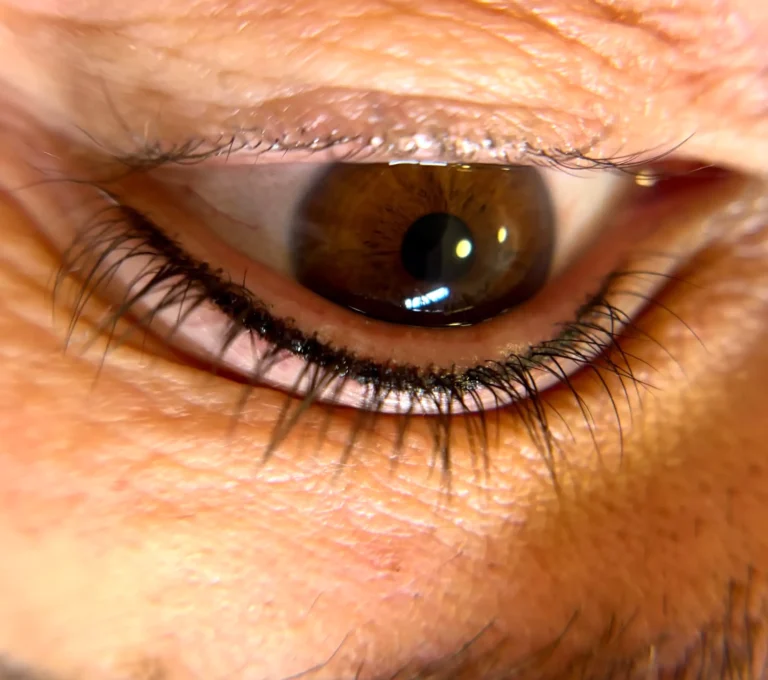
Your skin’s got a language all its own, and the key is learning to speak it. I mean, oil production, tightness, redness, shine – all these signs tell a story about what’s going on beneath the surface. And when a client visit The Facial Hub, my first question is always “how’s your skin behaving before I even start cleaning it up with products.
And of course, sometimes we do need a bit of extra TLC, like microneedling at The Facial Hub, to stimulate collagen production or give the skin a bit more oomph. But the very first step is always about finding out what the norm is for you, your baseline.
Behaviours Linked to Balanced Complexions
A complexion that’s considered “balanced” usually has steady levels of hydration – not too much water, just kind of right – and a comfortable oil flow where it doesn’t look greasy but also isn’t dry and flaky. People with this skin pattern tend to tan easily but still need to take care to avoid sun damage, as the risks of ultraviolet radiation remain.
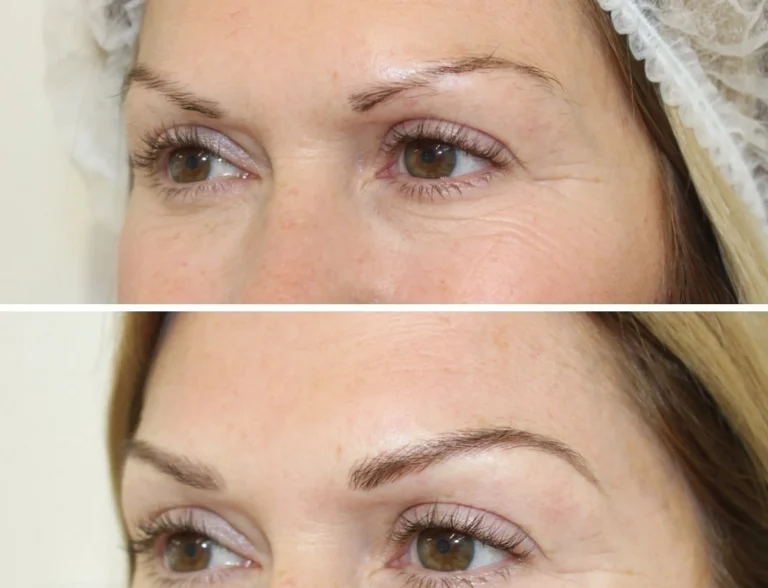
These clients often ask me whether they need corrective treatment to improve their skin. Sometimes the only thing they want is to be able to keep their skin looking healthy and not break down into fine lines or texture changes – and that’s where something like microneedling at The Facial Hub can really come in handy.
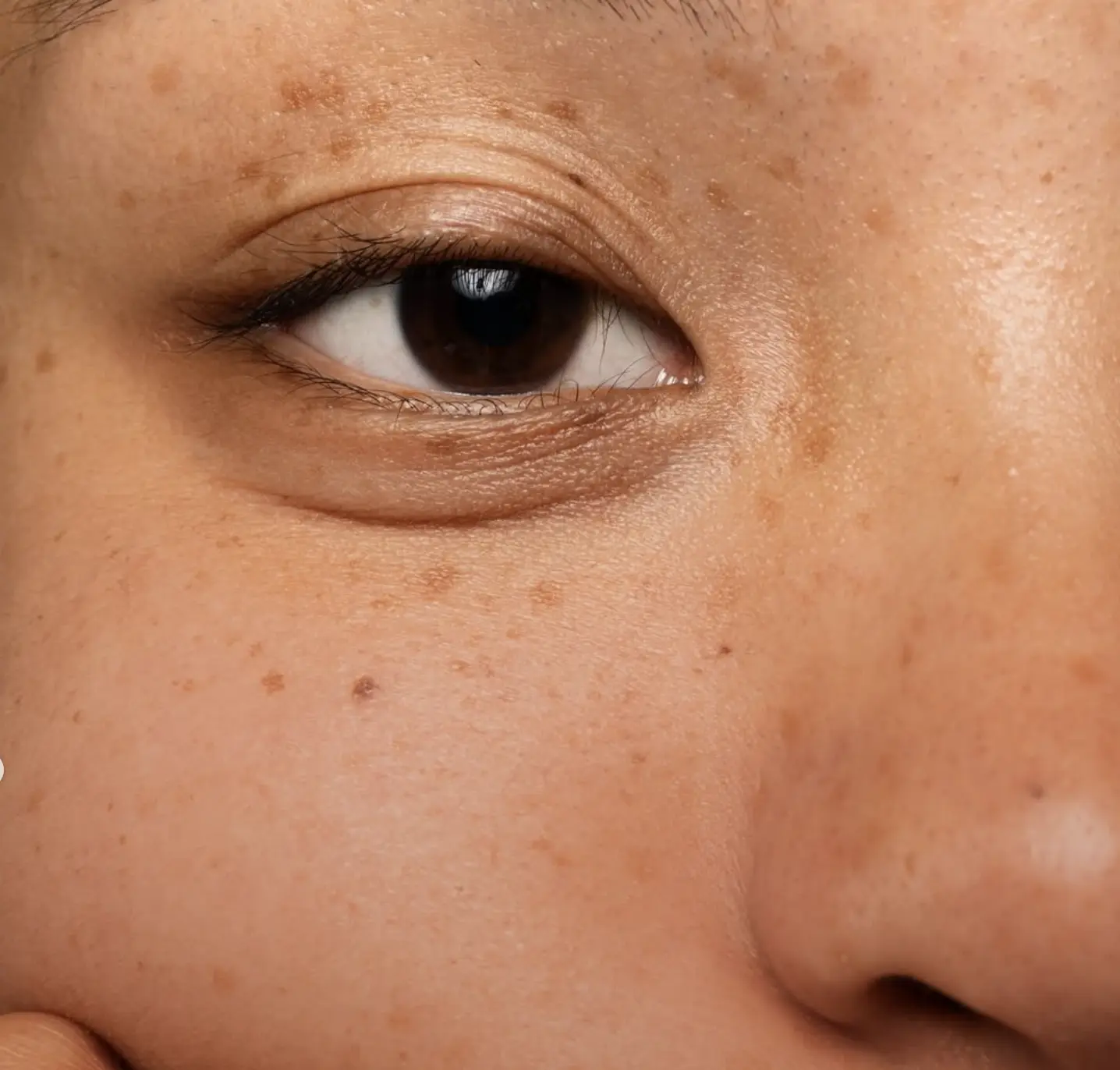
Characteristics Associated With Oil-Dominant Skin
A complexion that’s considered “balanced” usually has steady levels of hydration – not too much water, just kind of right – and a comfortable oil flow where it doesn’t look greasy but also isn’t dry and flaky. People with this skin pattern tend to tan easily but still need to take care to avoid sun damage, as the risks of ultraviolet radiation remain.
These clients often ask me whether they need corrective treatment to improve their skin. Sometimes the only thing they want is to be able to keep their skin looking healthy and not break down into fine lines or texture changes – and that’s where something like microneedling at The Facial Hub can really come in handy.
Features Commonly Seen in Oil-Dry Split Patterns
Some people’s skin just doesn’t fit neatly into one category or the other. You might be dry in some places and greasy in others. It can be a right mix-up – and it often happens when you’ve got some hormonal changes or a lot of sun exposure going on, or if your skin barrier is not doing what it should be.
The thing that usually works best for this is zoning – treating the bit of your face that is actually greasy differently from the dry bits. I usually see people figure this out after their first facial in Brisbane when we take a close look at their skin features under some proper lighting.

Reactions Related to Highly Responsive Skin
If your skin stings, reddens, flushes, or reacts to certain skincare products, we’re likely dealing with a reactive pattern rather than a skin type. This can actually sit on top of oily skin, dry skin, or normal skin – it’s just a bit of a more general thing. The priority here is typically to repair barriers.
It’s also not surprising that Brisbane’s climate – along with all the people who misuse chemical peels, have had past sunburns, or use comedogenic cosmetics – often leads to skin that’s a bit of a sensitive mess. But once we calm inflammation and restore the natural barrier function, people’s skin can really start to transform.
Comparing Common Skin Presentations
| Category | Characteristics | Triggers | Supportive Approach |
|---|---|---|---|
| Balanced behaviour | Even tone, comfortable oil flow | Mild climate, consistent routine | Antioxidants, SPF, gentle actives |
| Oil-dominant behaviour | Shine, congestion, enlarged pores | Heat, hormones, humidity | Lightweight hydrators, exfoliation |
| Dry-leaning behaviour | Flaking, tightness, rough texture | AC, ageing, low natural oil | Moisturising creams, barrier repair |
| Reactive behaviour | Redness, stinging, unpredictable responses | UV exposure, harsh products | Barrier repair, calming serums |
This comparison helps clients understand that their skin isn’t “good” or “bad”—it simply behaves according to biology, melanin pigmentation, constitutional colour, and everyday stressors.
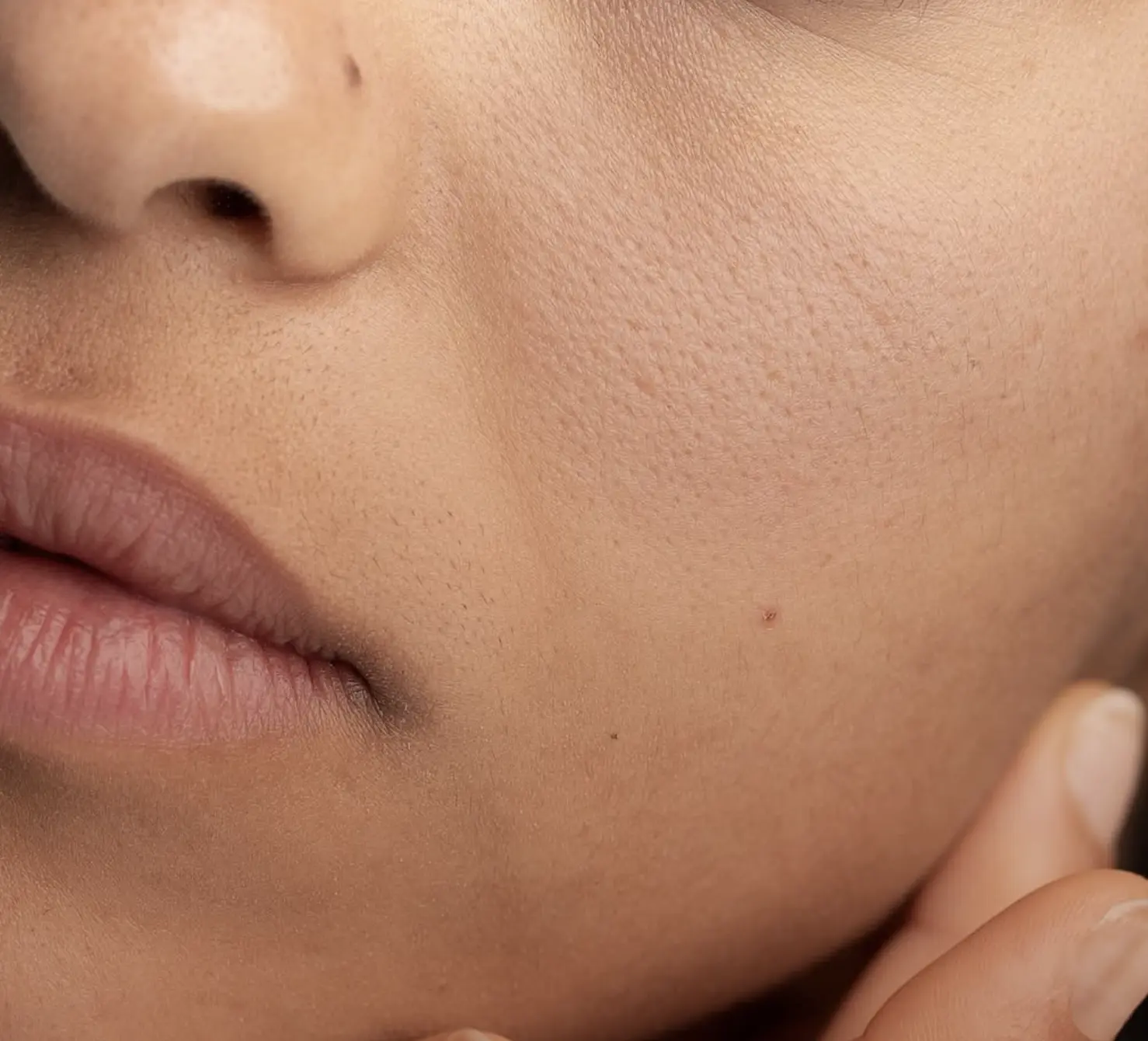
How Climate and Lifestyle Shape Your Skin
Queensland is known for its sweltering sun, sticky humidity and those ridiculously long summers. And let me tell you, all of this takes a pretty dramatic toll on your skin.
- Heat makes oil-dominant skin look like it’s shining like a lamp
- Air conditioning does nothing to address dryness or fine lines. In fact, it seems to make them a lot worse.
- UV exposure is almost guaranteed to trigger dark spots, post-inflammatory pigmentation, and uneven skin texture.
- And then there’s the holidays. We all know how much fun a beach nap can be, but it seems like our skin doesn’t. All those long naps in the sun can trigger skin reaction flare-ups.
When clients come to The Facial Hub after a long, hot summer, their skin is often telling the whole story before they even sit down in the chair.
Current Trends
Based on some insights I’ve seen from Australian skincare trends for 2026:
- A whopping 38% of client concerns involve combination skin.
- Almost half of Queenslanders experience some level of sensitivity during the hot months.
- And if you’re one of those people with a Fitzpatrick skin type III-IV, you’re at a higher risk for pigmentation problems because of the way your skin reacts to the sun.
This is what I see all the time: people searching for facials near them are looking for solutions for texture, brown marks, and long-term skin protection.
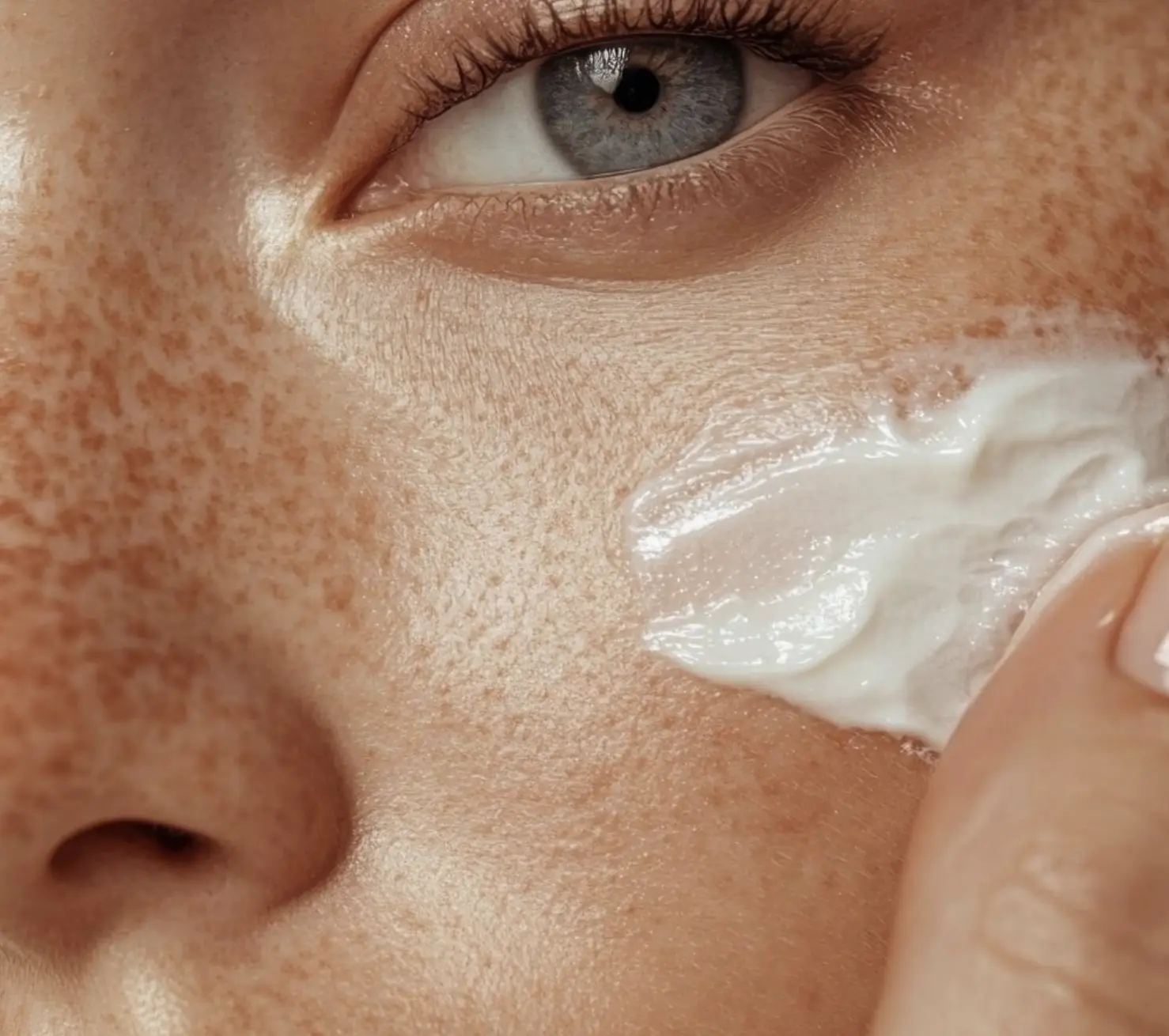
How I Approach Each Presentation
When I’m making recommendations for your skin, I’m taking into account not just your skin type but also your Fitzpatrick skin type classification, your history of sun exposure, and any skin reaction patterns I can see.
Helping Clients with Balanced Complexions
These clients typically require only minimal maintenance rather than a full overhaul. We’re discussing brightening treatments, occasional exfoliation to remove dead cells, and, in some cases, microneedling to boost collagen production.
Supporting Oil-Dominant Clients
For these guys, it’s all about finding a balance. We’re not looking to strip the skin of all its oil, but rather to find a way to control it. We’re talking BHA exfoliants, consistent sunscreen use, and a skincare routine that’s neither too heavy nor too rich.
Restoring Comfort in Dry-Lean Skin
For these clients, the key is to repair the skin’s barrier function. That’s where botanical extracts, ceramides and rich moisturisers come in. I’ve seen clients start to notice an improvement in their skin within just a few weeks.
Calming Highly Responsive Skin
The goal for these clients is to help their skin reach a stable, calm state. That means avoiding harsh skincare products, rebuilding the barrier function with some gentle actives, and protecting their skin with a broad-spectrum sunscreen with at least SPF 30. Only when the skin is calm can we start to introduce some more performance-based skincare products

Professional Treatments That Support
At The Facial Hub, our dermal clinicians get to know your skin like the back of their hand, tailoring treatments to your skin type, Fitzpatrick classification, and personal skin concerns. When people come looking for a facial in Brisbane, they usually want more than just relaxation – they want results that are backed by science.
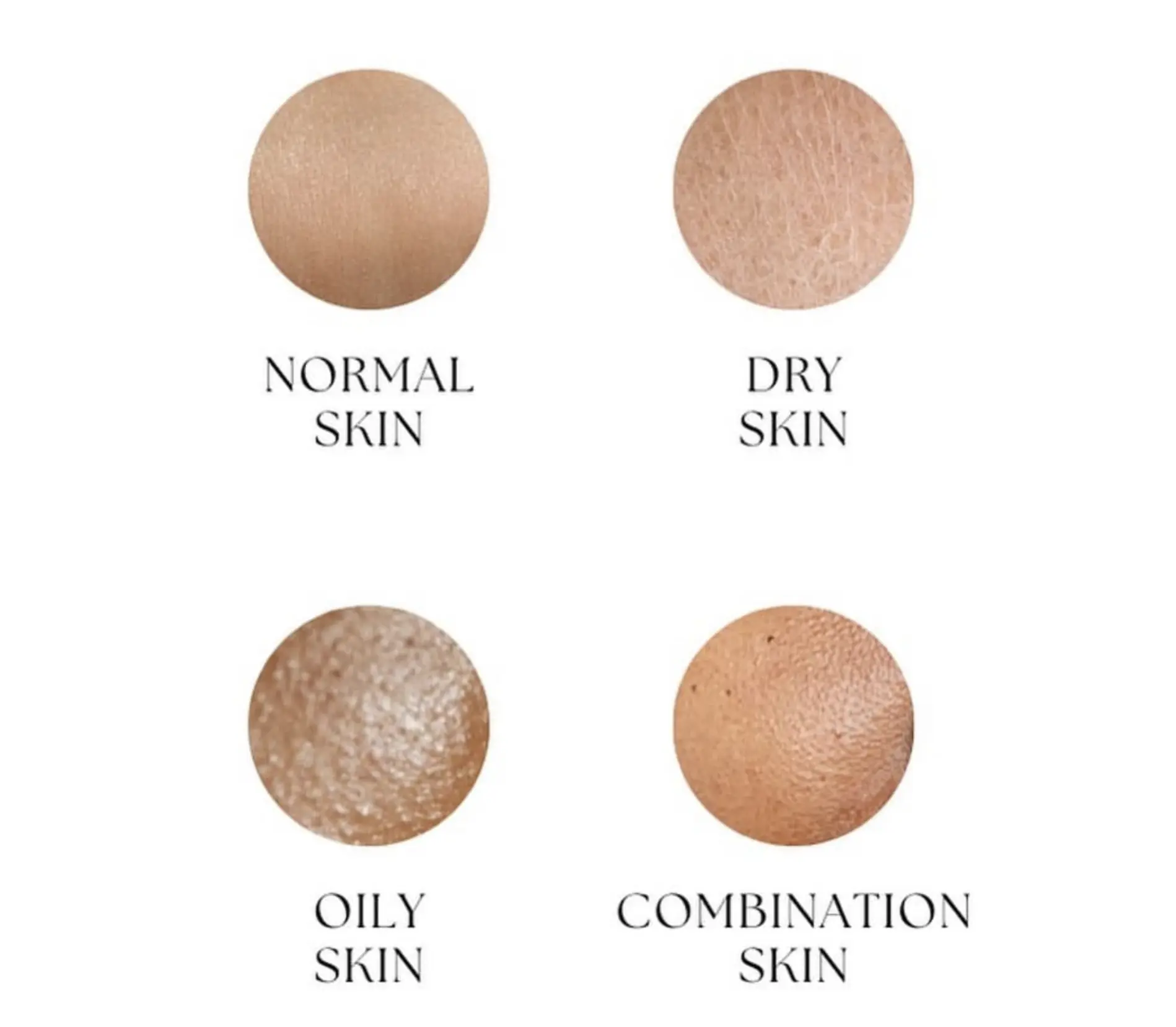
- Normal skin: We recommend gentle resurfacing, a bit of LED therapy, and natural extracts to enhance the glow.
- Dry skin: We provide deep hydration, repair the barrier function with facials, and restore lipids.
- Oily skin: Detox facials, controlled extractions to get things flowing, and a BHA peel to keep oil production in check.
- Combination skin: We use multi-masking, flexible chemical peels, and an oil-balanced exfoliation to restore balance.
We take hygiene super seriously – every tool is sterilised, we do a personal skin check for each client, and we even remind you to come back in for an annual exam, all part of our long-term care deal.
A Final Word From Me
Your skin isn’t just static – it changes all the time, influenced by hormones, the weather, sun exposure, and just getting older. When you come to The Facial Hub, we take all that into account so you get a skincare routine that supports your long-term health.
If you’re not really sure where your skin sits at the moment, or if you’ve been through some hormonal changes or been on holiday and your skin has shifted, no worries – you’re always welcome to come on in and have a chat. Your skin will tell us exactly what we need to know.
FAQ
Can my skin type change over time?
Yep. All sorts of things can affect your skin – hormonal changes, the weather, getting older, and meds can all play a part in how much oil your skin is producing and how well it’s doing as a barrier.
What if I’m oily in one spot and dry in another?
That’s combination skin – really common in Brisbane, especially now that we’ve got a humid climate and a lot of sun every day.
Is sensitive skin a skin type or a condition?
Sensitive skin is a catch-all term, but it’s a condition that can affect any skin type. Often, it’s because your skin barrier isn’t working properly or your skin is highly reactive.
Should my skincare routine change with the seasons?
Absolutely. When it’s hot, your skin produces more oil, and in winter, you’ll experience dryness and water loss.
How does my Fitzpatrick skin type affect my routine?
Your Fitzpatrick skin type tells us all about how you tan, how much melanin you’ve got, and what kinds of risks you’re running when it comes to burning and pigmentation – all pretty important things to consider when we’re planning a treatment and what sunscreen to recommend.