How common are snake bites for tourists on hiking trails? To be blunt, not very. You should get that straight out of the way upfront, not be led on for 3 paragraphs before getting a dose of reality.
I’m Paul, and I’ve spent years guiding across Australia’s national parks – and I can tell you this: snakebite incidents involving tourists are pretty thin on the ground. You’ll probably run into more heat & blisters, and an iffy knee than a close encounter with a venomous snake.
But, you know, this isn’t something you can just ignore either. If you’re planning an Aussie wildlife adventure, getting your head around how snakes behave – and how you should be acting – is what keeps things chill, safe & drama-free.
Contents
- 1 What The Numbers Say About The Real Risk
- 2 What This Means For Us On The Ground
- 3 Where Encounters Actually Happen
- 4 The Species You Might Cross Paths With
- 5 What Triggers A Bite (Spoiler Alert: It’s Usually Because Of You)
- 6 Timing Matters – When Snakes Are Out & About
- 7 Trail Habits That Actually Make a Difference
- 8 What Happens When You Get Bitten
- 9 First Aid That Really Does the Trick
- 10 Access To Help — A Reality Check
- 11 Putting Risk Into Perspective
- 12 What To Do When You Come Across A Snake
- 13 Lessons From Wild Animals
- 14 Final Word – Travel Like You Know What You’re Doing
- 15 FAQ
What The Numbers Say About The Real Risk
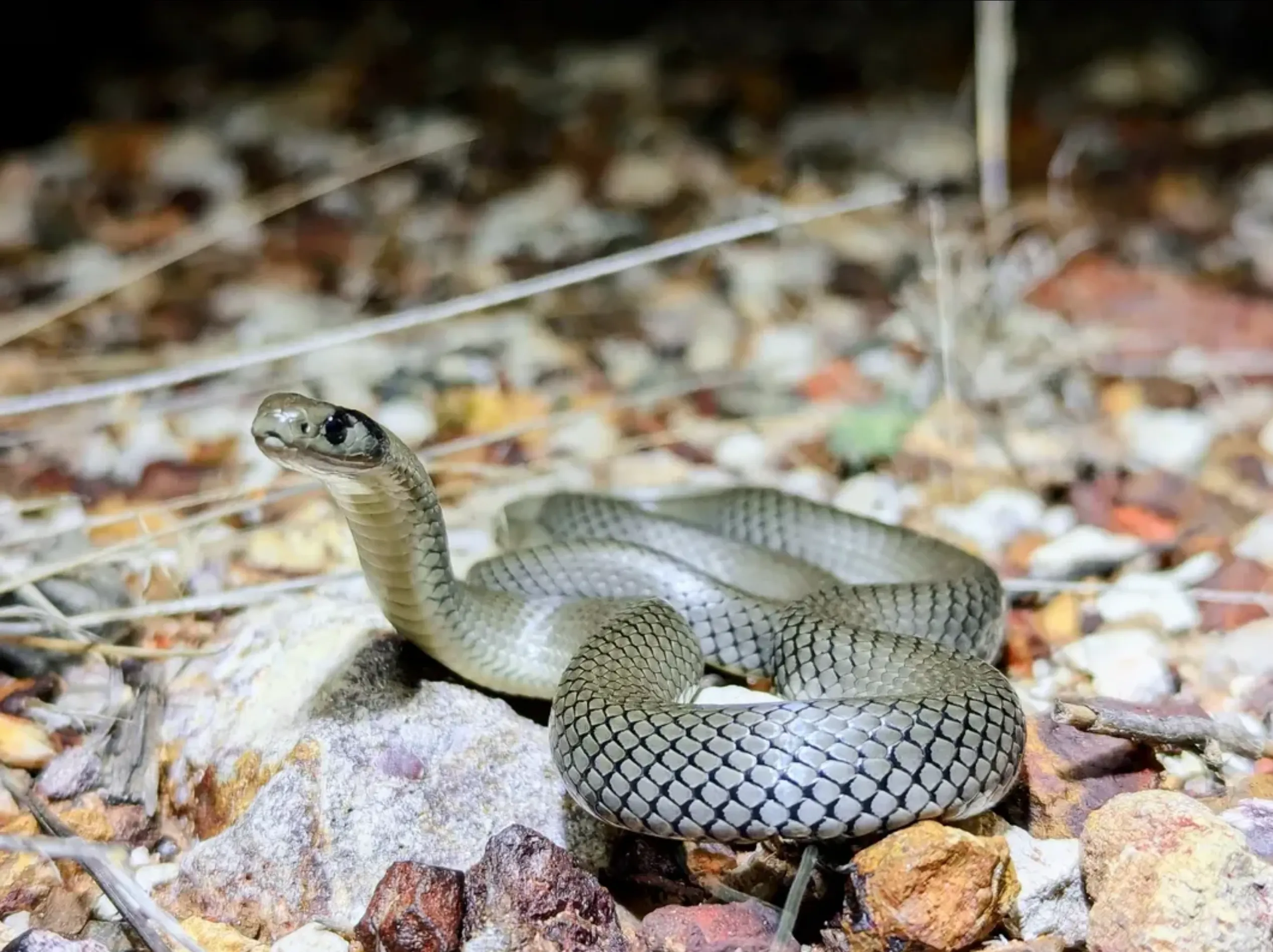
Strip it back to the facts. Australia may have a fair few venomous reptiles, but the impact on travellers is tiny.
| Statistic | Australia Estimate |
| Annual snakebite incidents | ~3,000–5,000 |
| Confirmed venomous bites | ~300–500 |
| Snake bite fatalities | 1–2 per year |
| Dry bites (no venom injected) | Up to 50% |
| Tourist involvement | Very low |
What This Means For Us On The Ground
Most of the time, people who get bitten are locals you’d find in the bush – farmers, tradesmen and the like.
A good number of reported bites are dry bites, which means no venom was even left by the snake in the first place
Fatalities are apt to be very rare in this country, largely thanks to the work of our emergency responders
For the average hiker on a well-maintained path, the risk of a snakebite is very, very low. You really don’t have much to worry about.
Where Encounters Actually Happen
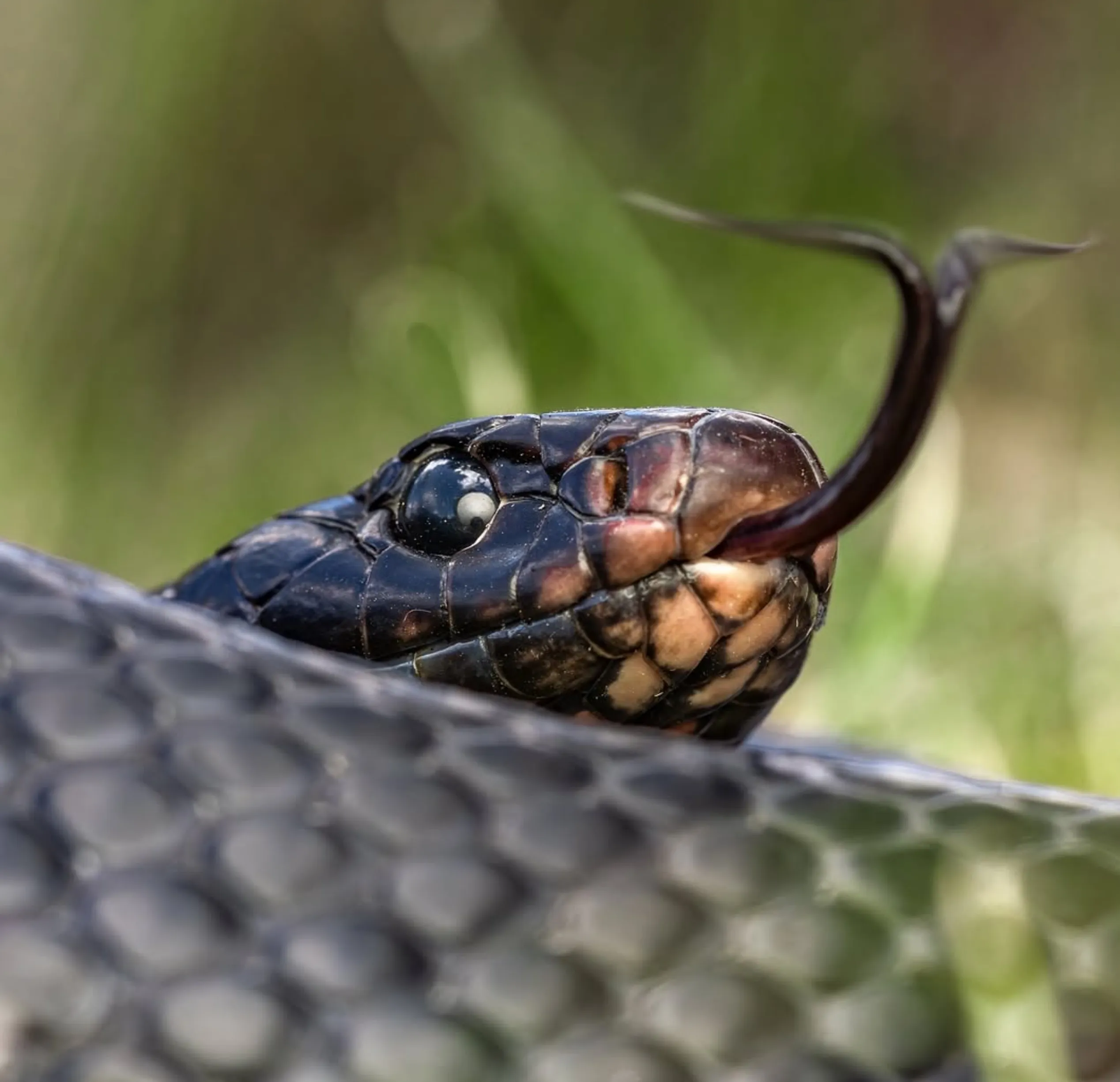
Just because snakes are everywhere, that doesn’t mean they’re spread evenly right across the country. Where they hang out depends largely on factors like food, climate, and habitat.
Areas Where You Are Likely To Spot Them
- Up in the Northern Territory (Top End, Kakadu)
- Anywhere in coastal areas around Apollo Bay and the Great Ocean Walk
- Deep in the Queensland bush
- The Kimberley in Western Australia
Places With Lower Odds
- The mountains, where it’s too cold for most snakes to be about
- Really popular walking tracks, you won’t have to look hard to see other people
- Open rocky outcrops, where there just isn’t enough vegetation for snakes to hide in
I’ve done the Cape Hauy and Maria Island missions so many times I’ve lost count – and even then, you don’t see them often unless you head into the really wet and warm zones. When you do, you’re walking into snake country.
When you book with a tour operator, the sort of local knowledge you should expect is knowing where the wildlife is likely to be.
The Species You Might Cross Paths With
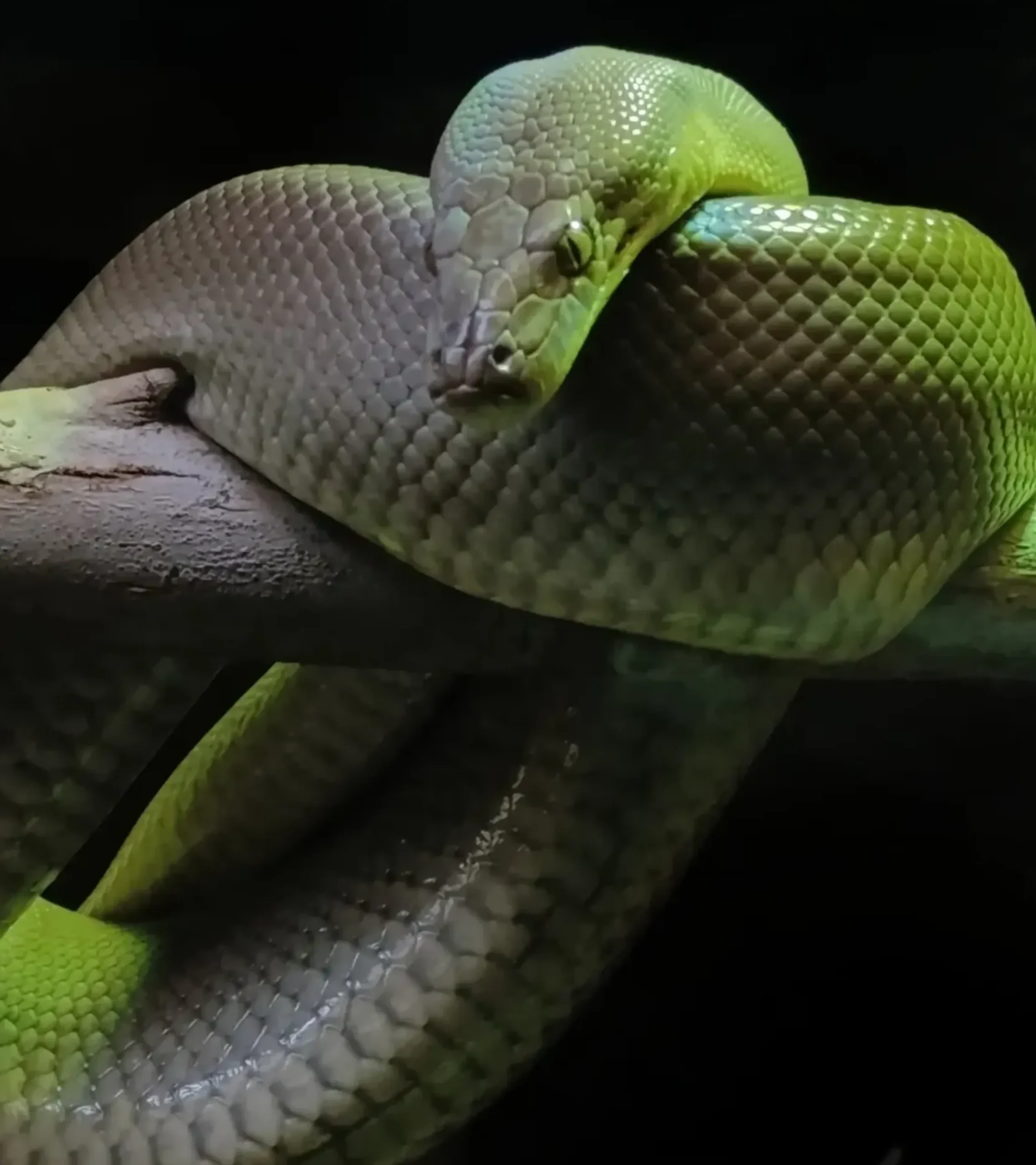
Aussies have their fair share of deadly snakes, but again, most encounters are brief and don’t amount to much.
Common Snake Species You’ll Run Into On Trails
- Eastern Brown Snakes (that’s just the plain old Brown Snake to most) – these guys are a regular cause of snakebite incidents
- Tiger Snakes – you’d best believe these are in coastal Victoria and Tasmania
- Redbellied Black Snakes – near any body of water
- White-lipped Snakes – way more common in the cooler climes down in the south
- Inland Taipans – super venomous, but you’d have to be in the right place at the right time to come across one
You hear a lot about Brown Snakes and Tiger Snakes being aggressive, but they’re really not. Most of the time, they just want to be left alone.
Even the deadliest of the lot, like the Diamondback Rattlesnake, behave pretty much the same – avoid ’em, don’t go looking for a fight.
What Triggers A Bite (Spoiler Alert: It’s Usually Because Of You)
Snakes don’t go out looking for hikers to bite. Bites happen when people make dumb decisions.
Common Places Where Trouble Gets Started
- You accidentally step on one
- You wander off the track and through long grass
- You reach into some rocks or logs without checking what you might find
- You think you’re some sort of snake charmer, trying to handle them
- You just plain ignore the safety rules
Timing Matters – When Snakes Are Out & About
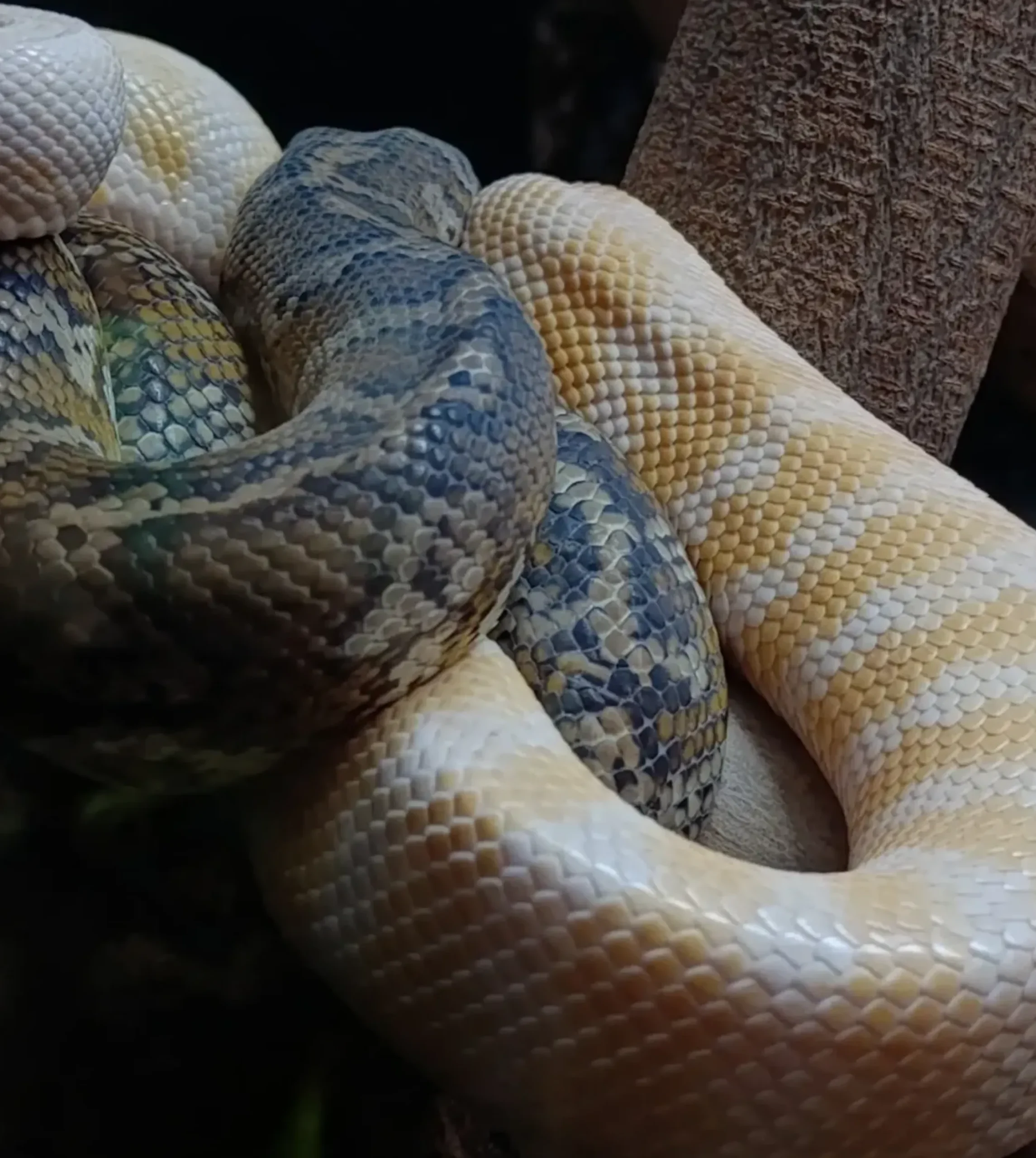
How active a snake is depends a whole lot on the weather.
The Best Times to See Snakes
- Early spring, when the sun starts shining a bit brighter
- Late spring and early summer, when the morning dew and late afternoon shade are at their best
- right after a rain shower – especially during the wet season
When They’re More Likely To Be Undercover
- On a cold winter morning, when it’s not worth their getting out of bed
- When it’s a scorcher – think midday heat fryin’ the pavement
- When the wind’s howlin or the skies are a dull grey
Scientists use a combination of computer models, if you like, to pin down where they’ll likely be found and when. Stuff like vegetation type, terrain, and water – all that sort of thing. They even use techniques like Random Forest Analysis to pinpoint habitats and where the species might like to hang out.
The bottom line is: warm, sheltered spots = snakes are more likely to be out
Trail Habits That Actually Make a Difference
No tricks here – just good old-fashioned common sense habits that work.
Keep It Simple Stupid
- Put on some proper hiking boots or shoes that cover your ankles
- Stay on the marked tracks
- Watch where you’re putting your feet – especially in places with lots of leaves or long grass
- Avoid being out on the trails when it’s getting dark
- Stay on the ball – awareness beats gear any day of the week
- Fine, you’re a trail runner – just keep your eyes on the path straight ahead.
What Happens When You Get Bitten
Snake venom is carried through the lymphatic system – not the bloodstream.
Depending on the snake, you might get:
- Weird stuff with your blood clotting
- Muscle damage
- Messin with your nerves & organs
Doctors do some lab tests to work out what type of venom you’ve got, and that helps ’em figure out what to do.
First Aid That Really Does the Trick
Knowledge is your best friend in situations like this.
Pressure Immobilisation Technique
- Keep the person steady – no shaking about
- Slap on some firm pressure bandages right over the bite
- wrap the whole of the affected limb
- Use a splint to keep it all in place
- Get on the phone and call the emergency services
- By slowing down venom movement through the lymphatic system, you can really help
If It Goes South
If the person stops breathing, get ’em doin some CPR pronto – keep goin until the medics arrive.
Don’t:
- go and wash the bite
- cut the skin
- try and suck the venom out
Access To Help — A Reality Check
Not all tracks are equal when it comes to medical access.
- Coastal routes like the Great Ocean Walk: fast response
- Remote areas (Top End, WA): delays possible
- Always plan based on distance to medical facilities
On remote tours, we always factor in evacuation timing. It’s just part of doing things properly.
Putting Risk Into Perspective
Here’s what actually causes problems on hiking trails:
| Risk | Likelihood |
| Dehydration | High |
| Heat exhaustion | High |
| Getting lost | Moderate |
| Snakebite incidents | Very low |
| Snake bite fatalities | Extremely rare |
This is why I say – don’t let a phobia of snakes take over and blind you to reality.
What To Do When You Come Across A Snake
If you see one slithering about:
- Just stop right there for a second
- Keep your cool
- Take a slow and gentle step back
- Let it wander off on its own
Thats about all. No need to turn it into a scene.
Snakes aren’t after a fight. They just want to get out of your way.
Lessons From Wild Animals
If you’re curious about how snakes behave, taking a trip to the Australia Zoo is a great way to start. Watching a trained snake handler at work shows just how predictable they can be when they’re treated with respect.
For heaps of travellers doing the trip on an Aussie wildlife holiday, this kind of experience actually takes away any fear they might have – rather than adding to it.
Final Word – Travel Like You Know What You’re Doing
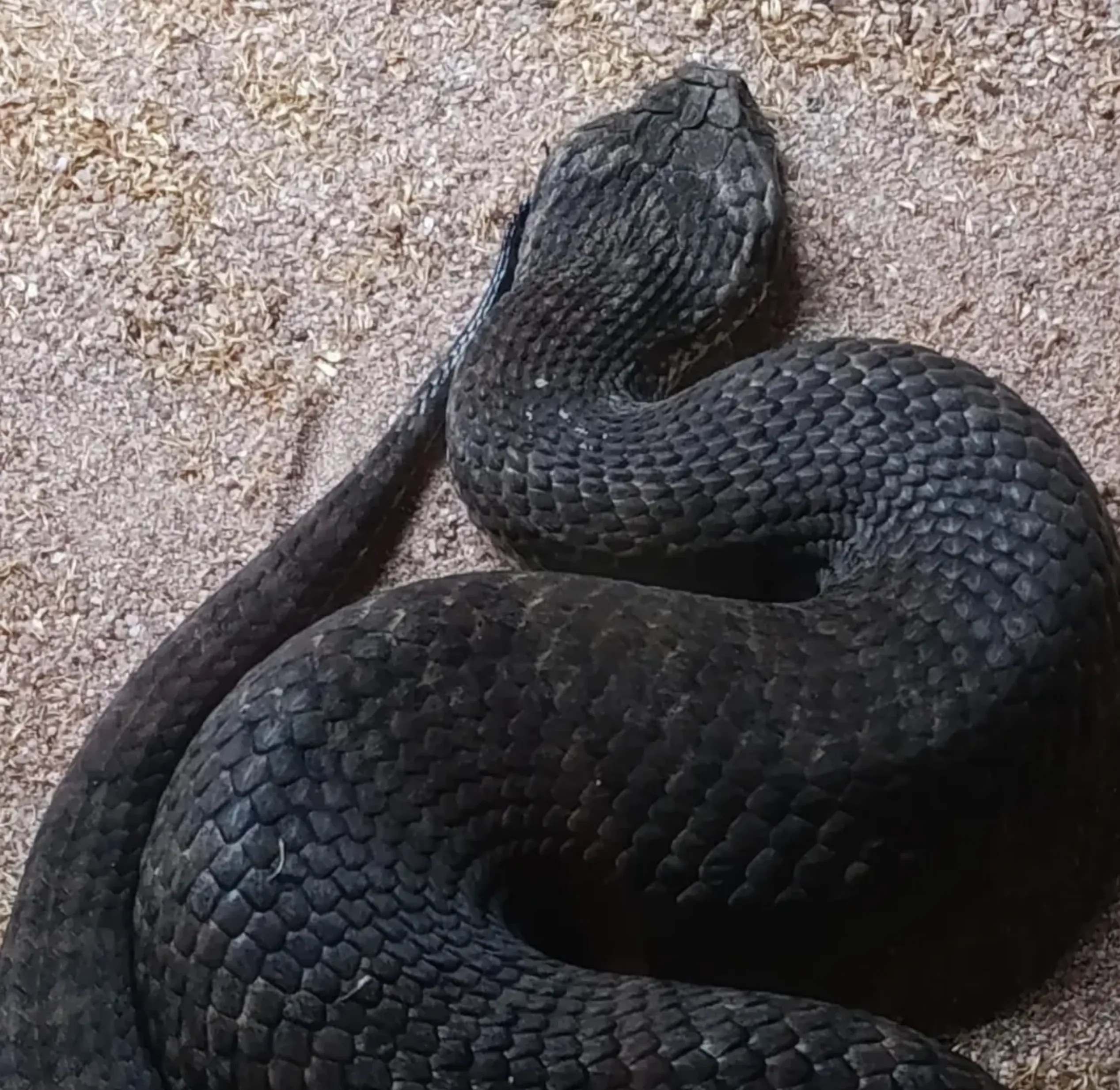
Here’s the honest truth: after years of getting out there and experiencing it all for myself – snakebite risk is a thing, but it’s pretty low and totally manageable.
If you’re heading out on an Aussie wildlife holiday, don’t let fear dictate how you go about things. Let some knowledge and understanding be your guide instead.
Show the bush a bit of respect. Stay aware of what’s going on around you. Stick to the track.
That’s how you go on a proper Aussie adventure.
And if you’re after someone who really knows their stuff, whether that’s hiking through the bush or trekking across the outback – that’s where experienced operators like Wildlife Tours come into the picture.
Got a funny story from out on the on the trail? I’m always on the lookout for them – the good, the bad, and the “whoa just missed getting stepped on” moments.
FAQ
Do Snakebites Ever Happen On Aussie Walking Tracks?
No – they are super rare, especially for tourists on well-maintained trails.
Are All Snakebites Life-Threatening?
No – heaps of them are dry bites, where no venom even gets injected.
What Snake Is Usually Involved In Most Bites?
It’s the Eastern Brown Snake that’s most commonly linked to cases because of its widespread distribution.
Do I Need Any Special Gear?
No, a good pair of hiking boots and being aware of what’s going on is all you really need for most situations.
What Matters Most For Staying Safe?
Following a few basic safety guidelines and knowing how to perform some first aid are what matter most.