Campervan or Motel along the Great Ocean Road? Here’s the no-nonsense low down from someone who’s driven it more times than I can even begin to count – in my humble opinion, motels are usually the way to go for most people, especially if you’re short on time or this is your first trip.
Campervans can be a lot of fun, but to get the most out of them, you need to have some flexibility, be patient and really enjoy the process of getting from A to B – not just posting great photos on social media.
I have run groups along the Great Ocean Road, put different setups to the test and watched countless people make the same choices over and over again. Some get it right. Others end up cold, tired, and quietly wishing they had a proper bed to curl up in. It’s not about what looks appealing online – it’s about what actually works in real life.
Contents
- 0.1 What The Drive Actually Feels Like
- 0.2 What’s It Really Like Living In A Campervan?
- 0.3 The Bit That Catches People Out
- 0.4 Why Motels Quietly Win For Most Travellers
- 0.5 What The Route Looks Like In Real Terms
- 0.6 Getting On & Off Without Stuffing It Up
- 0.7 Where Things Go Wrong For Travelers
- 0.8 Expectation Vs Reality (The Bit No One Tells You)
- 0.9 Timing Your Trip Right (and Why It Really Matters)
- 0.10 When You’re Running Short On Time (Which, Honestly, Most People Are)
- 0.11 What You Need To Keep In Mind Before You Head Out
- 0.12 Who This Style Of Travel Is Suitable For (And Who Might Want To Think Twice)
- 0.13 A Reality Check From The Road
- 0.14 Final Thoughts From Behind The Wheel
- 0.15 Quick Takeaway
- 1 FAQ
What The Drive Actually Feels Like
The Great Ocean Road isn’t a straightforward drive – it’s a winding coastal route that requires your constant attention, especially between Aireys Inlet and Apollo Bay, where the road clings to the cliff edges and cuts through forest.
You’re not cruising at a steady pace – you’re constantly adjusting your speed, keeping an eye on the road ahead and pulling over for the views. And let’s not forget the tourists, cyclists, and unpredictable weather. So your “quick drive” ends up being a whole day affair.
I should know, I’ve experienced it myself – a stretch that looks like 2 hours on a map can easily turn into 4 or 5 hours once you factor in all the stops like Teddy’s Lookout, a few short walks, and the inevitable traffic delays. It’s at this point that your choice of accommodation starts to matter – because by the end of the day, you’re going to feel it.
What’s It Really Like Living In A Campervan?
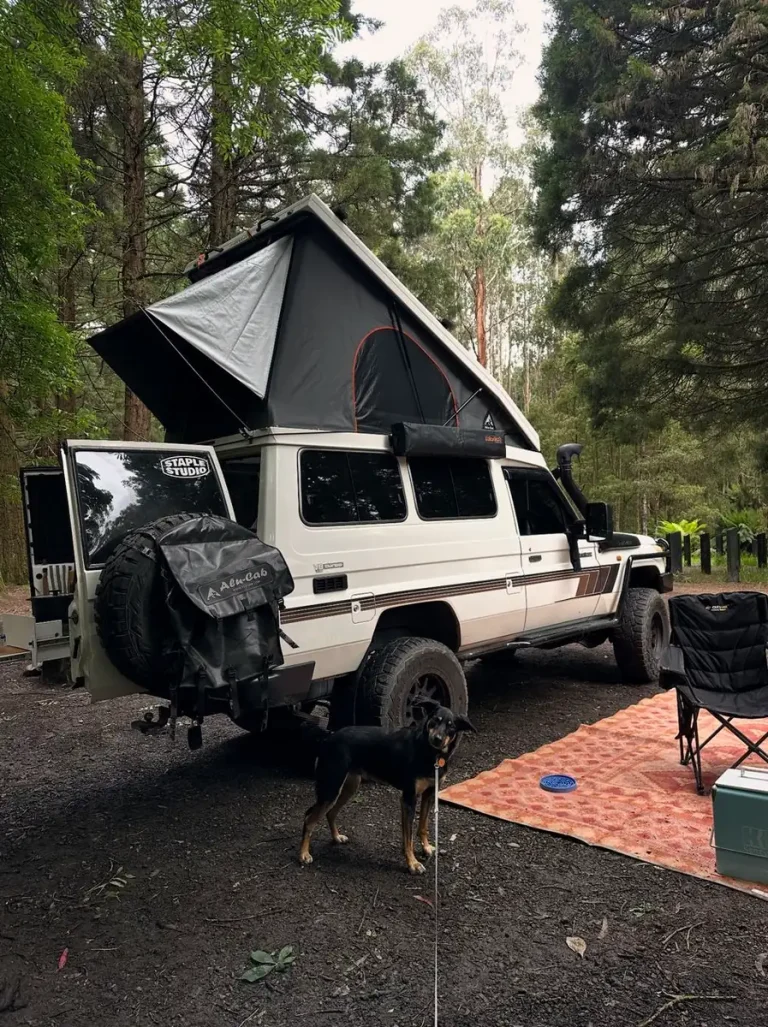
This is the bit that sounds all romantic – van life, ocean views, waking up whenever you feel like it. And yes, there are moments when it does deliver.
Driving through the Otways National Park, pulling over whenever you see something that catches your eye, having your whole setup with you at all times – it’s a great way to travel if you’re cut out for it.
But there’s one thing that most people don’t take into account.
The Bit That Catches People Out
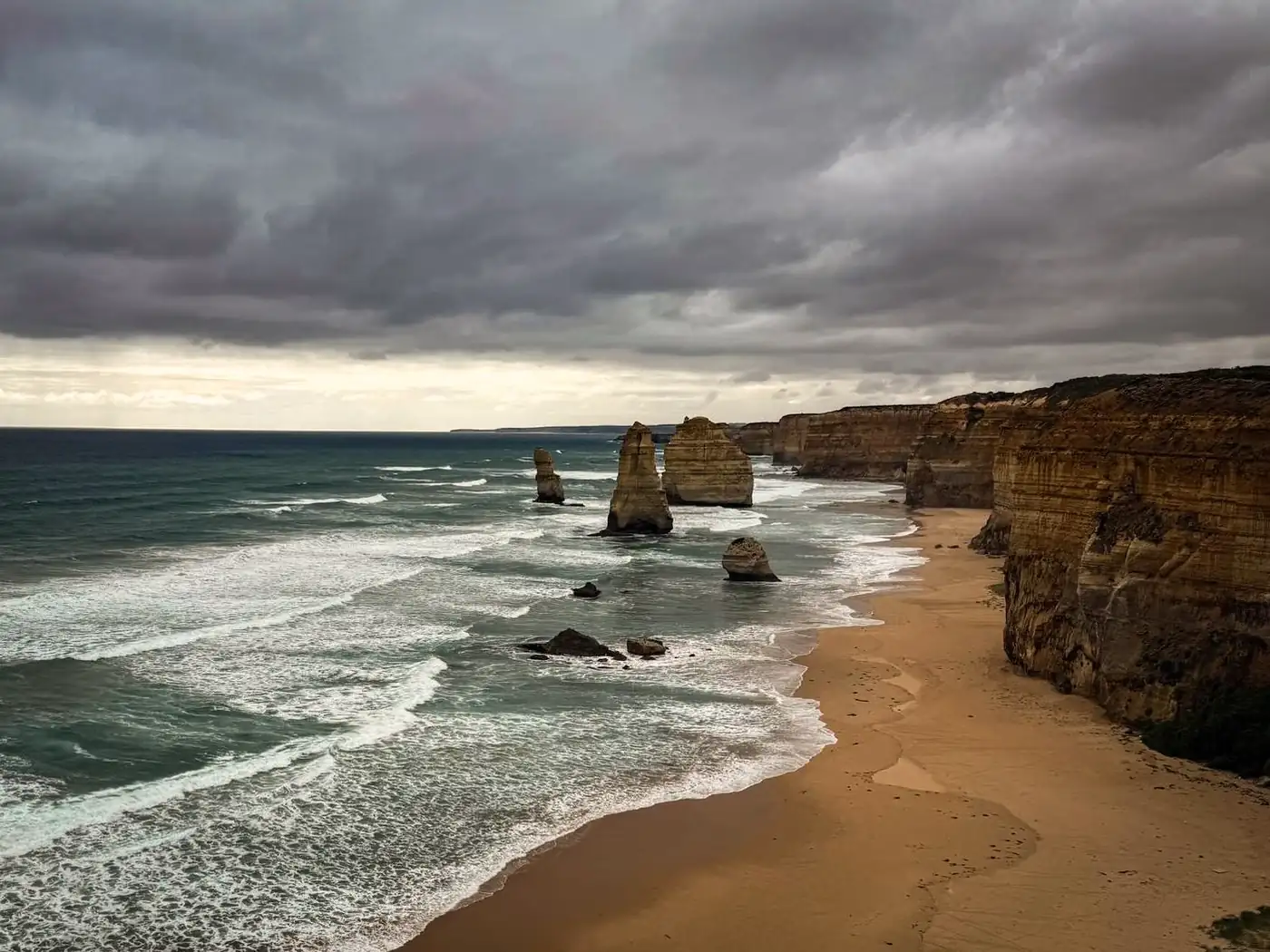
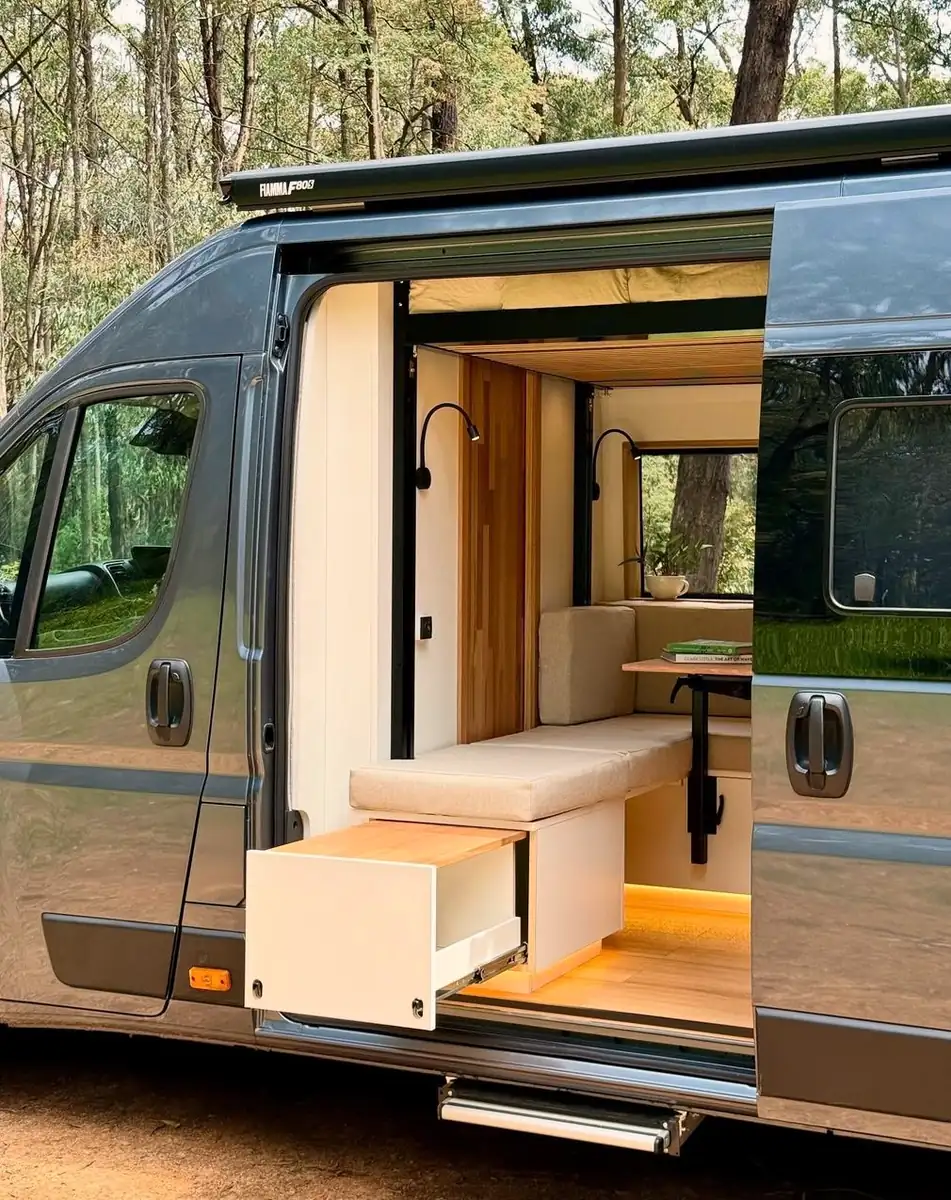
You’re not just driving, you’re living in a vehicle. So you have to manage your space, power, food, and sleep – all in that tiny setup.
I remember one particularly dodgy night near Port Campbell, when the wind came in sideways, and the van rocked from side to side. And I had to try and cook a meal with all the basic kitchen gear while sand was blowing in through the door. That’s what all the glamour of van life looks like from the inside.
Also, most campervans along this route only require a full car license, but driving one on tight coastal bends can be quite a different proposition from driving a regular car. It’s not that difficult – but it’s certainly not relaxing.
And then there’s the fuel efficiency. Most people underestimate just how much their van will guzzle fuel – especially when it’s loaded up, and you’re driving on hills or long stretches.
Why Motels Quietly Win For Most Travellers
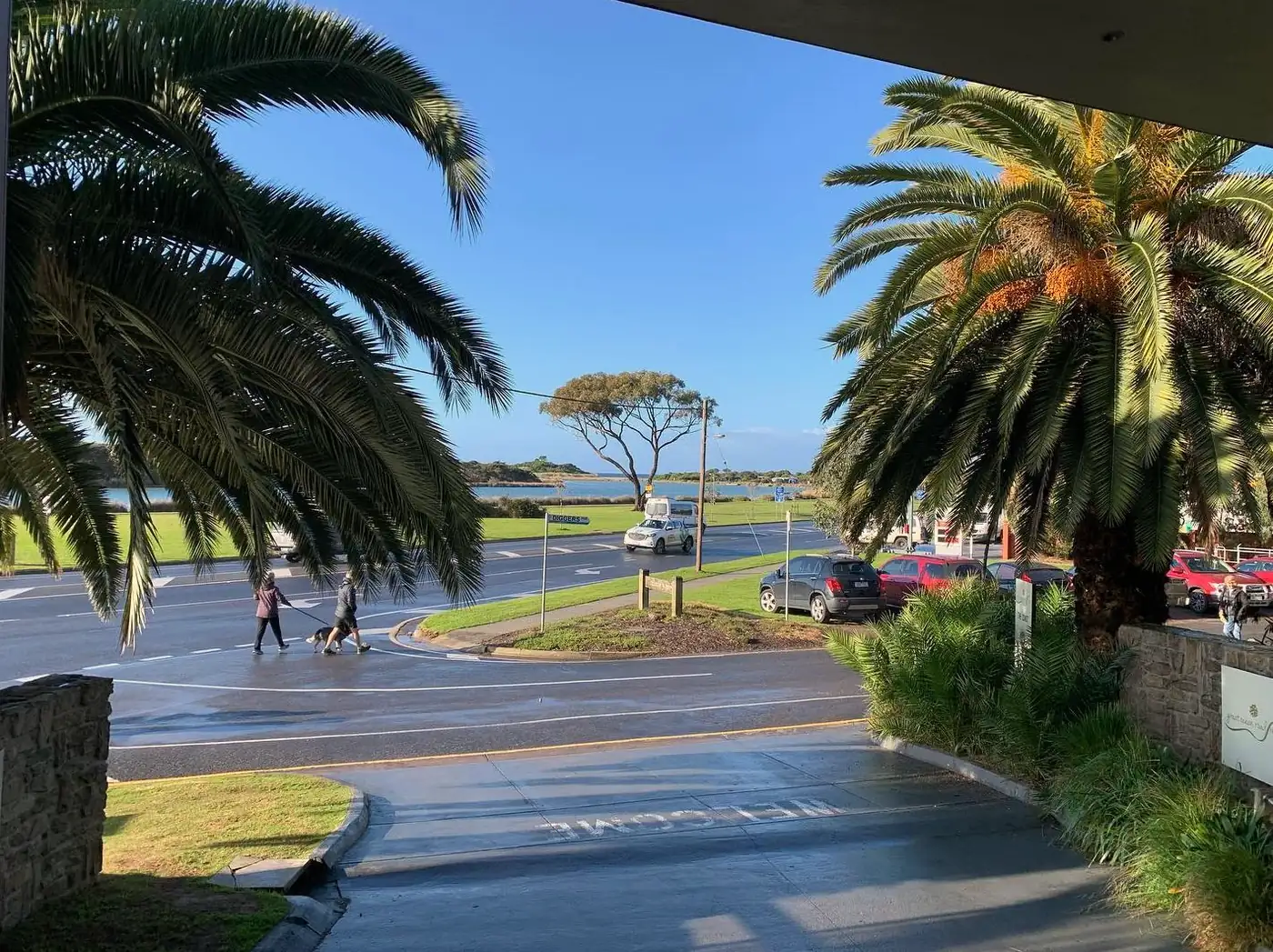
Motels don’t get the same hype — but they solve most problems before they start.
After a full day on the road, especially between Apollo Bay and the Twelve Apostles, the last thing you want is to set up. You want to park, shower, and switch off.
Places like Great Ocean Road Resort, Anchor Port Campbell, or Logans Beach Apartments offer exactly that. Nothing flashy — just comfort where it counts.
You’ll sleep better. You’ll recover faster. And you’ll enjoy the drive more the next day.
What The Route Looks Like In Real Terms
Here’s how the main sections actually play out when you factor in real conditions.
| Section | Distance | Realistic Time | What Stands Out | Driving Feel |
|---|---|---|---|---|
| Torquay → Aireys Inlet | 30 km | 45–60 mins | Surf town energy, coastal curves | Easy |
| Aireys Inlet → Apollo Bay | 70 km | 2–3 hrs | Forest meets ocean, Teddy’s Lookout | Demanding |
| Apollo Bay → Port Campbell | 95 km | 2–3 hrs | Twelve Apostles, Gibson Steps | Moderate |
| Port Campbell → Warrnambool | 65 km | 1.5–2 hrs | Open coastline, fewer crowds | Easier |
What usually catches people off guard is just how plodding that middle bit is. It’s absolutely breathtaking – but it takes its time & needs some focus to appreciate.
Getting On & Off Without Stuffing It Up
That’s where planning comes into its own.
If you’re starting from Melbourne, then it’s around 1.5 hours to Torquay before the coastal drive even gets going. Many travellers opt for a Great Ocean Road day tour from Melbourne to avoid driving altogether, & honestly, for a short trip, that’s a pretty good call.
Parking’s pretty straightforward at the major stops, but around the Twelve Apostles it gets pretty full up quickly, & if you’ve got a campervan, you’re going to find it’s a real challenge to find a space, especially midday.
One of the biggest blunders people make is trying to do the whole route and then head straight back the same way. Don’t bother. Instead, cruise inland – it’s a lot quicker & much less of a drag.
Where Things Go Wrong For Travelers
After years of watching people tackle this route, a few things have become pretty clear.
People tend to overestimate just how much they can cram into a day. They underestimate the weather, possibly because it can be pretty changeable. And they assume things will somehow magically work out.
The reality, though, is a bit different.
The coast’s exposed, and the winds can pick up – then the rain comes in – & those picturesque stops? They eat up time if you actually want to enjoy them.
Expectation Vs Reality (The Bit No One Tells You)
| Expectation | Reality |
|---|---|
| “We’ll do the whole drive in one day” | You’ll rush and miss the best parts |
| “Campervan means freedom” | It also means responsibility |
| “We’ll find a campsite easily” | Not in peak season |
| “It’s just a coastal cruise” | It’s a focused, hands-on drive |
Timing Your Trip Right (and Why It Really Matters)
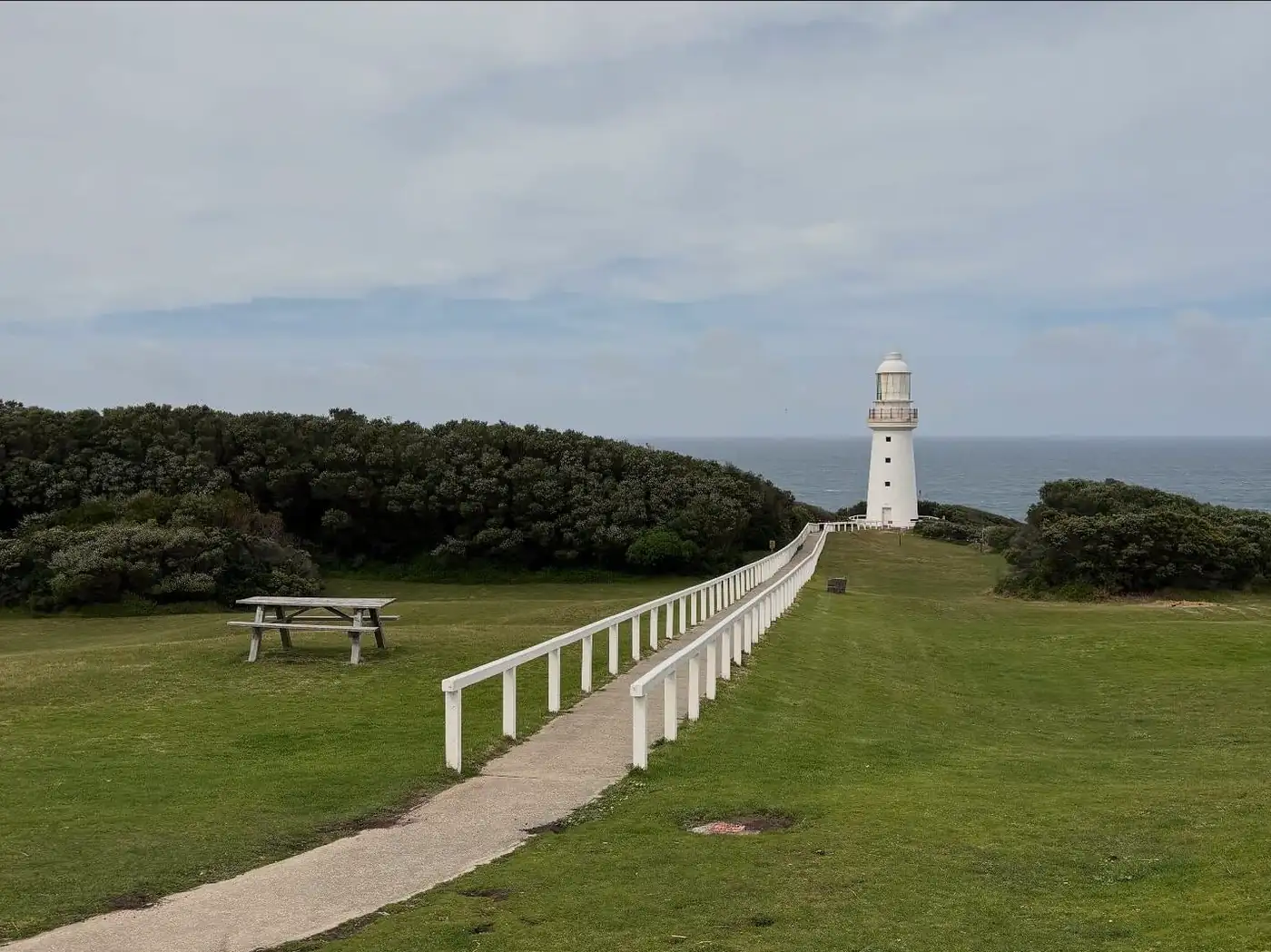
This coastline changes character with the seasons – and so does the experience you have.
Summer’s okay, but it gets busy. If you’re driving a campervan, though, you’ll be alright. Autumn is generally the sweet spot – smaller crowds, and the weather’s pretty stable. Winter, on the other hand, is a different kettle of fish. It gets cold, windy, and wet – and that’s when having a motel to retreat to isn’t just a luxury, it’s practically necessary.
Spring‘s a bit of a mixed bag. You might get nice, quiet conditions, but then again, you might get a bit of everything all at once.
When You’re Running Short On Time (Which, Honestly, Most People Are)
If you only have one day to play with, don’t try to tackle the whole lot. You’ll find yourself spending more time driving than actually enjoying the views.
Focus on the section between Apollo Bay and Port Campbell. That’s where you’ll get the best of the cliffs, the ocean, and all the famous stops like the Twelve Apostles and the Gibson Steps.
And that’s exactly why day tours of the Great Ocean Road are so popular – they save you the hassle of sorting out all the logistics, and just concentrate on the highlights.
What You Need To Keep In Mind Before You Head Out
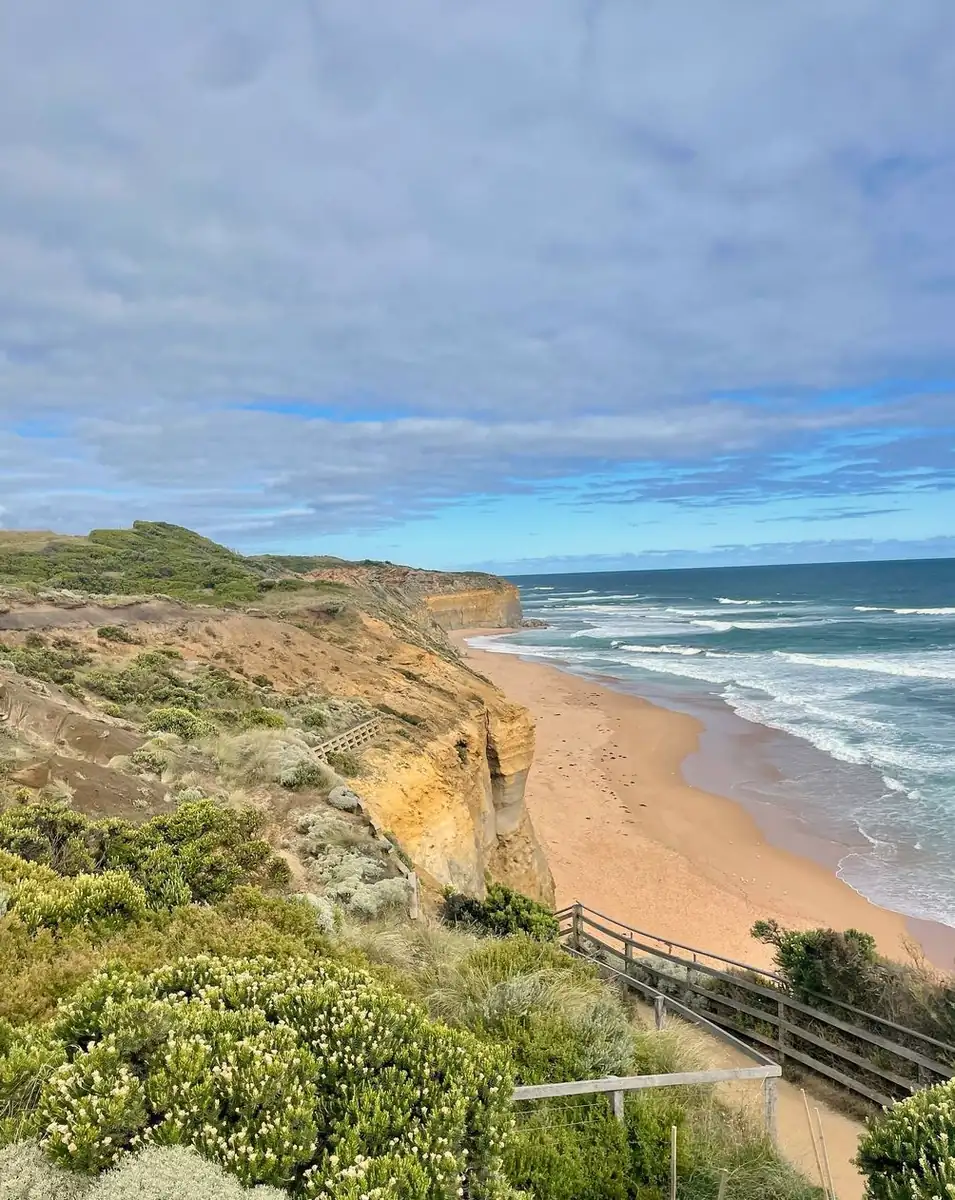
This isn’t exactly a hazardous trip, but it does require a bit of paying attention.
The biggest risk is probably driver fatigue. Long hours of driving take a toll, especially if you’re not used to it. And then you’ve got the weather and the tight corners to contend with – and it doesn’t take long for it to all add up.
And then there are the walking tracks and steps, which can be pretty slippery, especially near the coastal edges. So, good footwear is more important than people often make it out to be – especially if you’re planning to venture further afield.
Who This Style Of Travel Is Suitable For (And Who Might Want To Think Twice)
This trip’s perfect for people who actually enjoy the journey as much as the destination.
If you’re the type of person who’s happy to take things easy, is curious and doesn’t mind going at your own pace, you’ll get a lot out of it. But if you’re always in a rush, getting stressed out easily, or expecting everything to be just that bit easier, then probably best to reconsider.
Campervans are definitely better suited to confident drivers who don’t mind getting their hands dirty with the logistics. Motels, on the other hand, are pretty much perfect for everyone else.
A Reality Check From The Road
Running trips across Australia – whether that’s a nice, easy coastal drive like the Great Ocean Road or something wild like a Great Ocean Road tour up north – one thing stands out.
People generally have more fun on a trip the less they have to worry about.
The less hassle you have, the more you can actually notice what’s around you.
Final Thoughts From Behind The Wheel
If you want to have the most enjoyable, low-stress experience along the Great Ocean Road, then stick with motels.
If you want a bit more flexibility and don’t mind putting in a bit of effort, then a campervan might work for you – but make sure you’re properly prepared first.
The road itself – from Aireys Inlet right through to Port Campbell – does all the hard work. Your job is simply to enjoy the ride and not struggle with all the logistics.
If you’re not sure, then just start simple. You can always go full-on van life next time – no worries.
Quick Takeaway
Motels are a real lifesaver when it comes to trips – they make them way more comfortable and enjoyable for most people. On the other hand, campervans are great for freedom lovers, but they come with a lot of hard work and responsibility
When deciding, don’t choose based on how something looks online – choose based on how you actually like to travel.
FAQ
Does a campervan actually make your trip more enjoyable?
Only if you’re comfortable juggling a ton of tasks like managing the space, driving and setting up every day – otherwise it can quickly turn into extra work.
Is one day enough to really see everything?
Not really, one day is just enough to get a taste of the highlights. To get the full experience, though, you’ll need at least 2 or 3 days.
Are there going to be any accommodation options missing along the route?
Peak season can be a bit of a challenge; you’d be wise to book in advance.
What’s the most stressful part of the drive?
To be honest, the bit between Aireys Inlet and Apollo Bay can be a real challenge – it just needs some focus and patience.
Are guided trips worth considering?
Definitely, if you opt for a structured Great Ocean Road trip, it takes away all the stress of driving and planning – especially if you’re there for a short time.