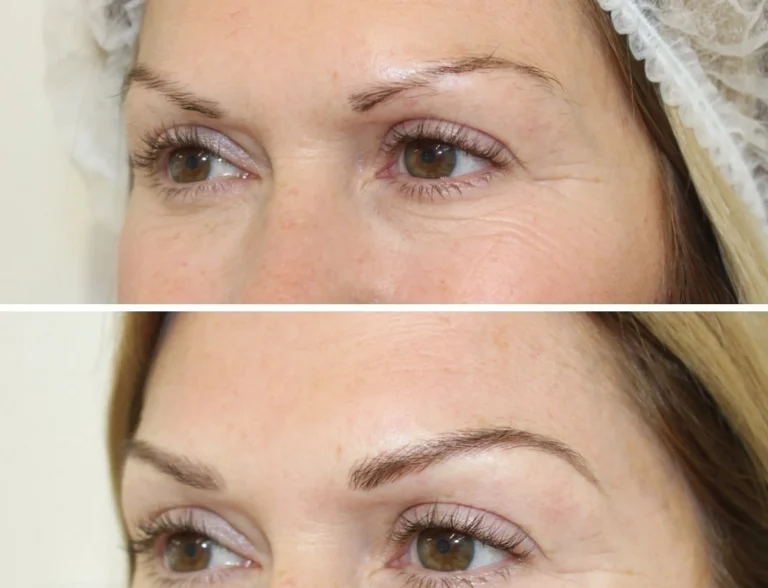
My Brows Turned Grey: How Saline Removal vs Laser Works for Melbourne Cosmetic Tattoos isn’t exactly a headline-grabber – more like a sentence I hear all the time in Melbourne studios. One day, your brows look balanced and soft; a year or two later, they’ve gone completely flat & grey and no longer match your skin, hair, or overall look. This is one of those long-term issues in permanent makeup a lot of people face, particularly with cosmetic tattoos in Australia, where old pigments & techniques are still going strong – even on people’s faces.
I’m Paul Beames, & whilst I’m normally going on about travel & rough tracks, I’ve spent a fair bit of time listening to artists and clients discuss cosmetic tattoo removal. Whether you’ve got a powder brow, microbladed eyebrows, or a bit of a combination going on, let’s cut to the point – no hype, no panic, just clear options that actually work.
Contents
- 1 Why Brow Tattoos Turn Grey
- 2 Saline Removal For Brow Pigment
- 3 Laser Tattoo Removal: a Powerful Tech That Demands Care
- 4 Comparing Saline And Laser Brow Correction
- 5 Why Many Melbourne Clients Use Both Methods
- 6 Healing Time & Side Effects Explained
- 7 For Lips And Other Cosmetic Tattoos
- 8 Can You Have Your Brows Redone Successfully?
- 9 Final Takeaway
- 10 FAQ
Why Brow Tattoos Turn Grey
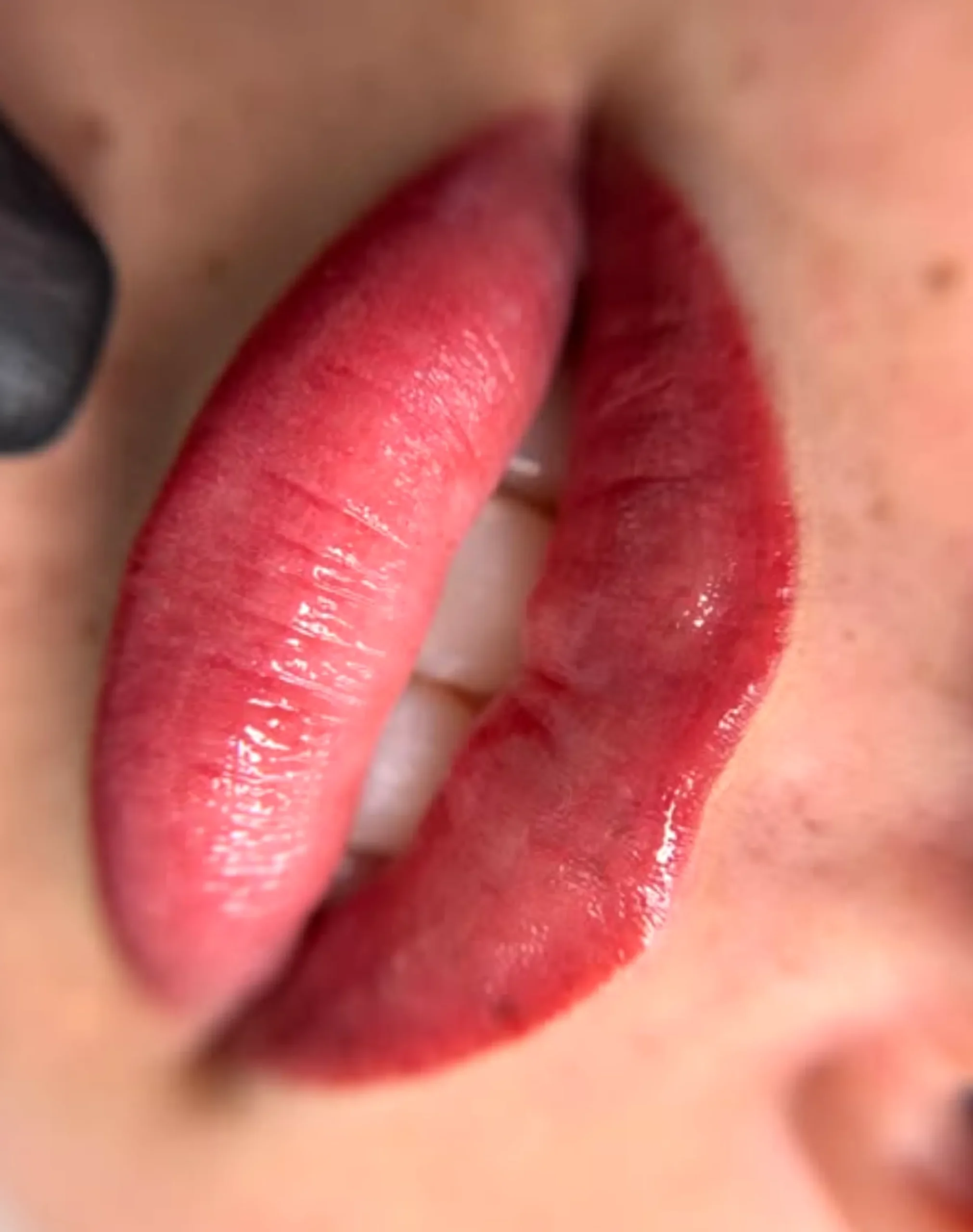
Grey brows aren’t some kind of mystery – it’s just chemistry clashing with skin behaviour basically. Most cosmetic tattoo ink relies on iron oxides and stuff like titanium dioxide to keep it all going. Over time, the warmer tones fade first, especially in sun-exposed areas, leaving cooler tones that can read as grey or blue.
This colour shift is pretty common in:
- Techniques from years gone by when it comes to eyebrow tattooing
- Brows that got implanted too deeply during the tattooing process
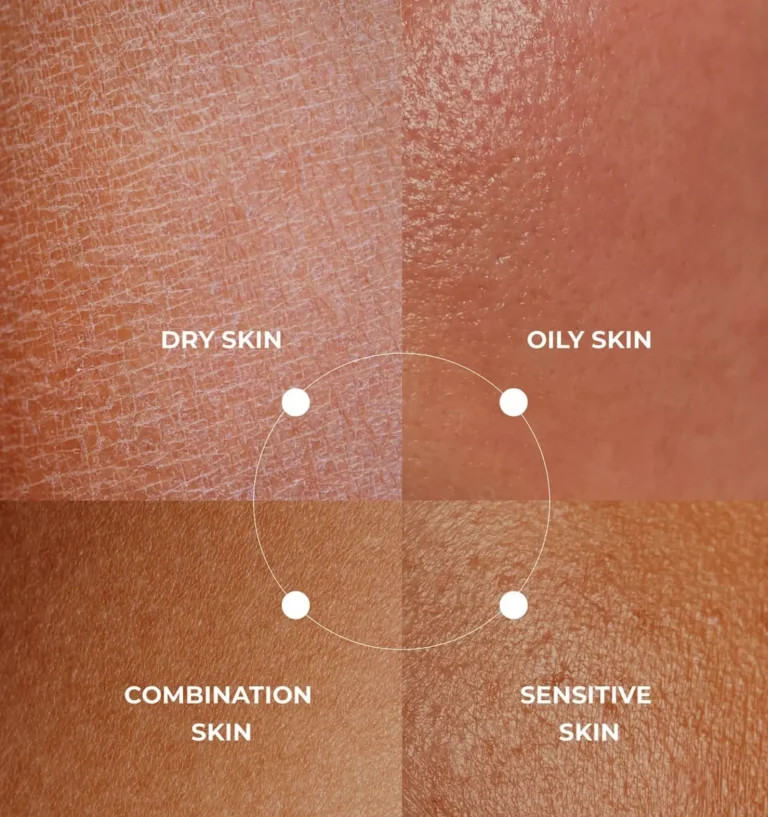
- People with cooler skin tone or oily skin types
- Anyone who gets a lot of UV exposure
In Australia, colour change over the long-term is one of the biggest concerns after about 2-5 years – and it’s not like the tattoo has failed, it’s just the ageing pigment doing its thing.
Saline Removal For Brow Pigment
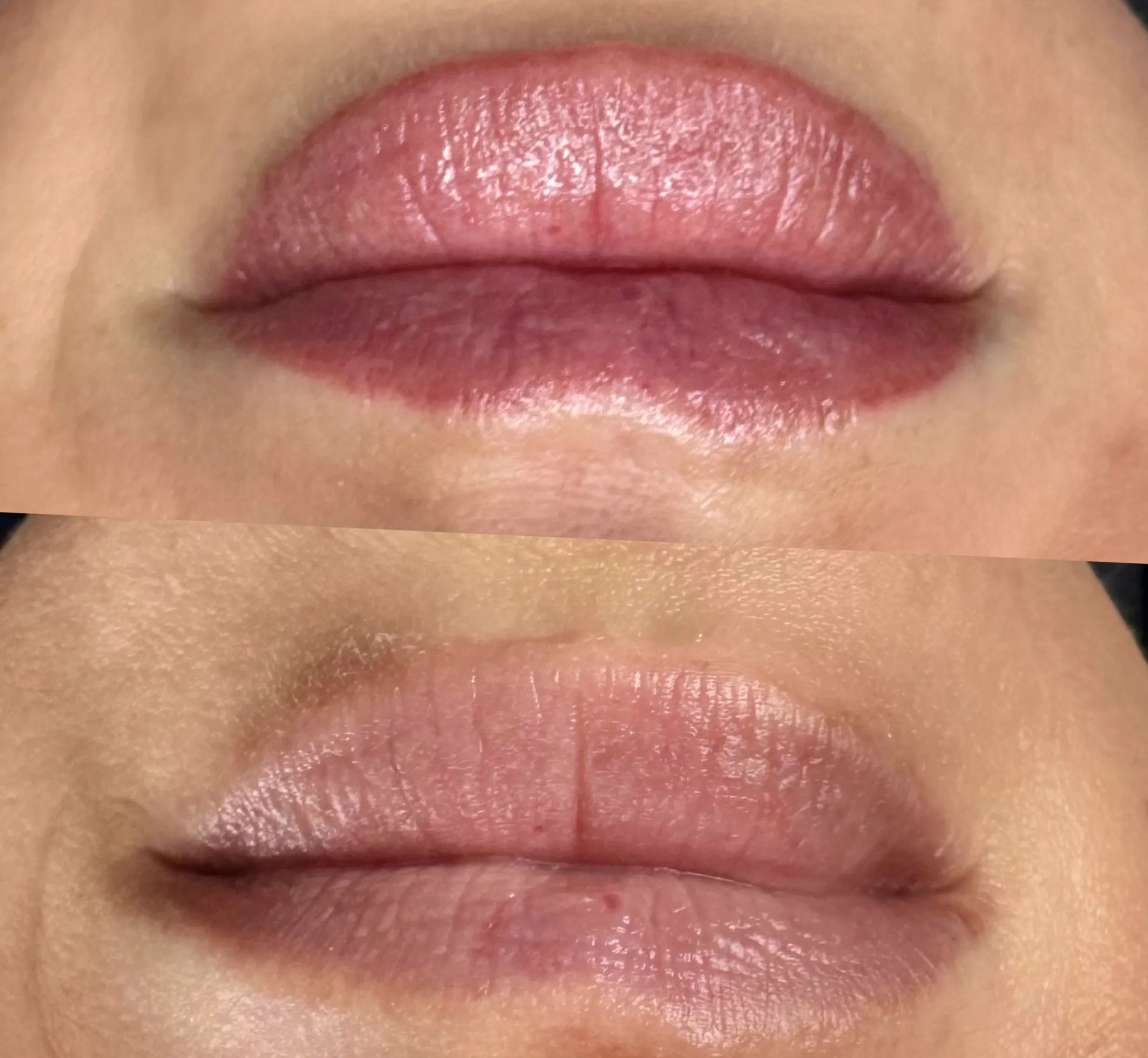
Saline tattoo removal is often the unsung hero for brows: a sterile saline solution (basically just refined salt water) is introduced into the skin using cosmetic tattooing tools. The saline binds to the tattoo pigment, draws it up as the skin heals.
While it’s healing over the area, scabs and shed naturally, taking pigment with them. It’s a slow process, but it’s deliberate, and suited to facial work where precision really matters.
Saline is pretty commonly chosen for:
- Grey or ashy brow tattoo tones that don’t look so great
- Surface-level cosmetic ink work
- Clients wanting to go down the low-heat, low-trauma route
- Detailed brow correction work where precision is the key
At places like Cosmetic Tattoo Melbourne Studio, they often use saline-based solution treatments when the goal is to refine rather than pull out the whole tattoo – & this approach is pretty popular in Australia, where brow aesthetics tend to lean towards really natural-looking results.
Laser Tattoo Removal: a Powerful Tech That Demands Care
Laser tattoo removal works by delivering concentrated laser light to the skin, shattering pigment particles that are then gradually cleared by the lymphatic system. In Melbourne, reputable clinics use Q-switched systems or advanced platforms such as the Picoway laser.
Lasers do a great job with dense pigment, but – and this is a big one – the brows are a pretty sensitive area. Iron oxide inks can darken slightly after laser exposure, so getting your laser parameters and settings just right is vital.
Laser removal is often used for stuff like:
- Deeper or more saturated ink
- Older cosmetic tattoos that have built up a lot of ink over time
- People who’ve been getting brow sessions – a few of them
- And larger areas like scalp micropigmentation or even body art
Before you even think about getting started, you need to get a proper patch test done and absolutely have to wear eye protection – we’re talking block-out goggles here. And don’t even get me started on IPL machines – people often get those mixed up with lasers, but the truth is that they’re made for hair removal, not ink.
Comparing Saline And Laser Brow Correction
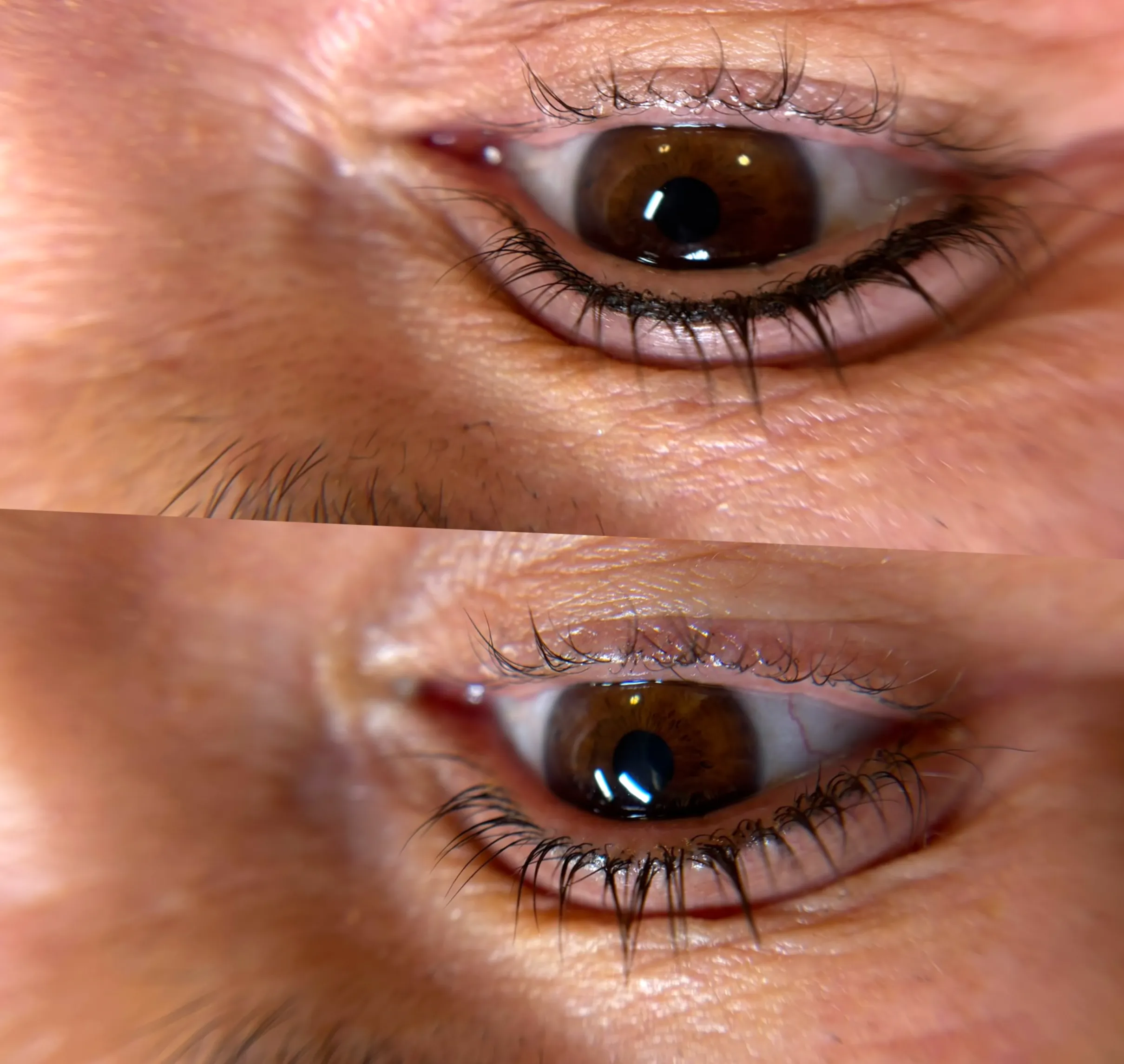
They both work, but in very different ways. So if you choose the wrong one, you’re looking at a whole lot of hassle – or even worse, a darker colour for a bit.
| Consideration | Saline Tattoo Removal | Laser Tattoo Removal |
|---|---|---|
| Best For | Surface cosmetic ink | Deep, dense pigment |
| Heat Used | No | Yes |
| Risk Of Darkening | Low | Moderate |
| Precision For Brows | High | Medium |
| Healing Look | Scabbing | Swelling, gradual fade |
| Sessions Needed | Multiple | Often fewer |
| Typical Cost (AUD) | $200–$350 | $250–$500 |
Prices are a reflection of Melbourne clinics as of 2025 and, of course, will vary depending on the provider and the technology they use.
Why Many Melbourne Clients Use Both Methods
Here’s the honest truth: often the best results come from combining the two techniques. A laser may be used first to reduce pigment density, and then saline is used to refine the tone and edges. That’s a pretty common approach in the high-end cosmetic eyebrow tattoo removal clinics – and it makes sense when you think about it.
This combination works particularly well for:
- People who had some dodgy microblading done a while back
- Brows that are suffering from colour migration
- If you’re planning on doing some future brow work
- If you’re after correction rather than a complete removal
Studios like Cosmetic Tattoo Melbourne Studio often use that approach in their consultation process, especially for more complex cases in the Australian cosmetic tattoo industry.
Healing Time & Side Effects Explained
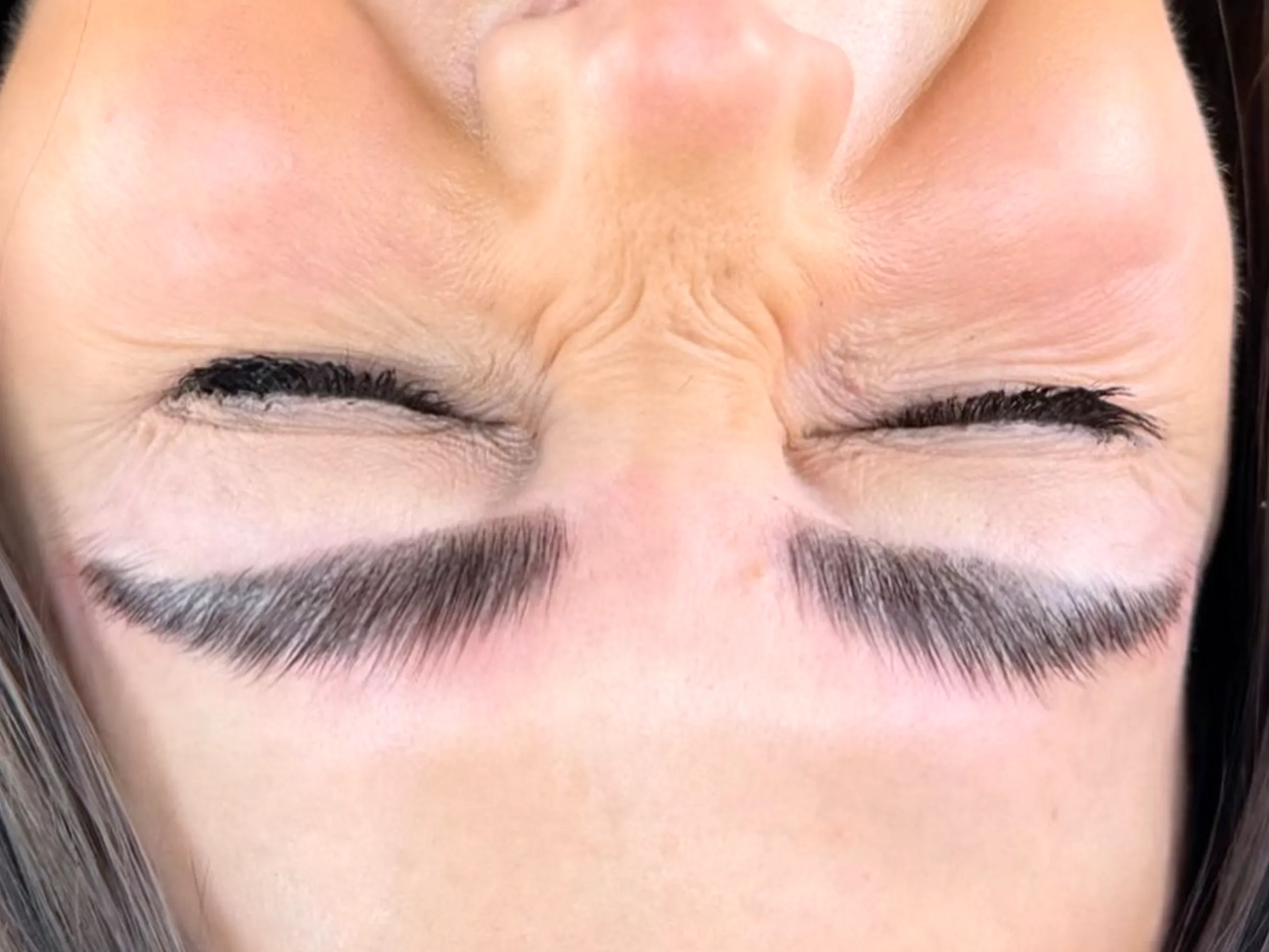
Both methods take patience. It usually takes 7-14 days for the surface to heal, and then weeks for the deeper pigment to clear.
As for side effects… You may experience mild swelling, redness, or temporary tenderness. Rarely, you might get an allergic reaction or Keloid scarring, but that’s something they’ll screen for during the consultation – especially if you’ve reacted to any other cosmetic treatments in the past.
You shouldn’t ever go to a fade cream or glycolic acid lightening without getting the go-ahead from a pro – trying DIY fixes just makes the whole process harder, not easier.
For Lips And Other Cosmetic Tattoos
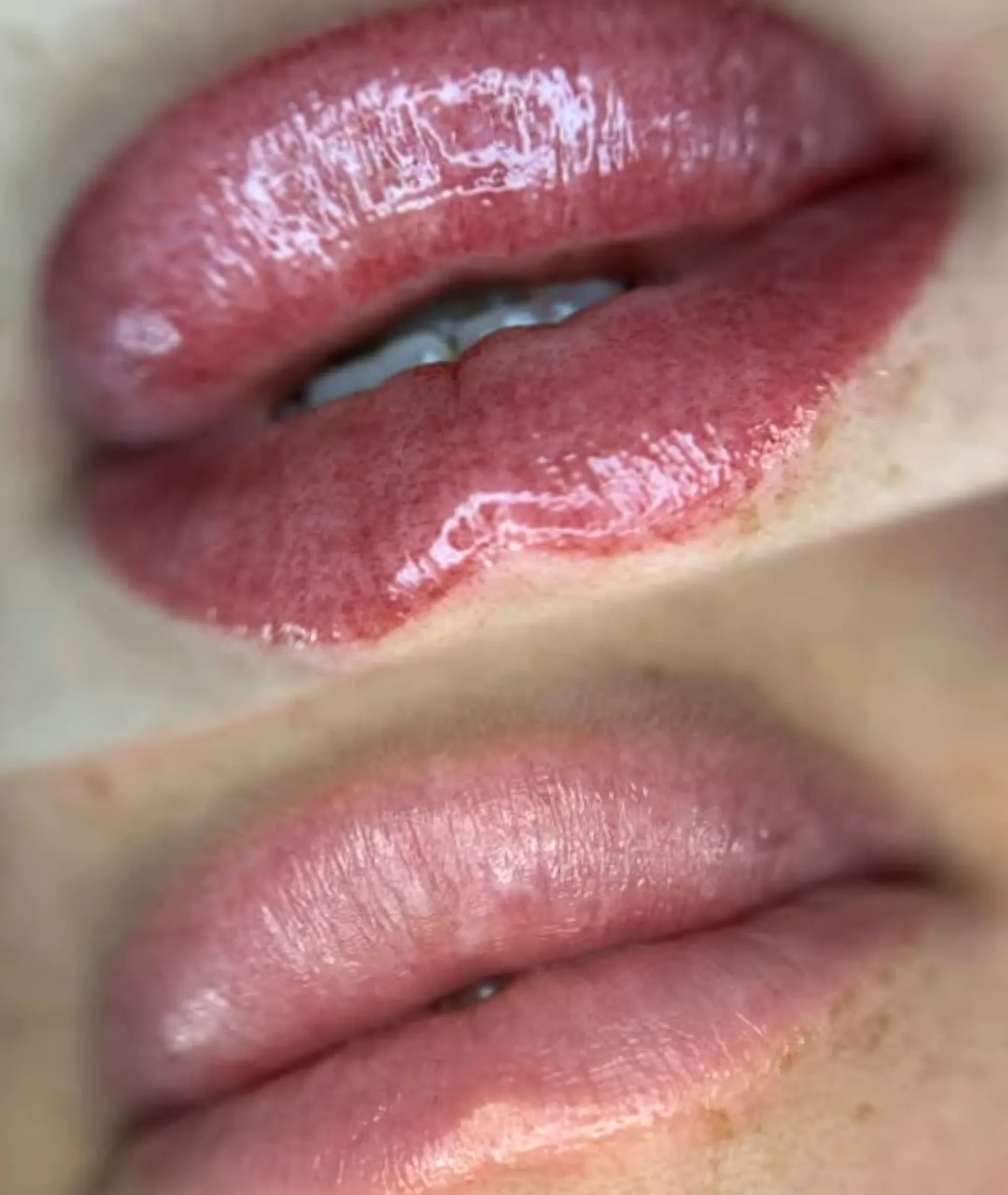
The same rules apply to other bits of your face. Lip tattoo removal, lip blush, and lip liner correction often use saline first, with laser reserved for stubborn pigment. The way a cosmetic tattooist works on facial areas is totally different from the way they do traditional tattooing on the body.
Laser’s the go-to for sleeve tattoo removal, while saline’s the one to use for the finer work on your face. Knowing the difference really does save you time and money over time.
Can You Have Your Brows Redone Successfully?
Yes – if you wait long enough. Most pros recommend waiting at least 8-12 weeks after your final session before starting new work. That gives your skin a chance to settle and any residual pigment to clear up.
Modern semi-permanent makeup techniques – like the powder brow methods and those Nano Machine Hairstrokes – have come a long way since the old days. When done right, the redo can look softer and age better than the original work.
Final Takeaway
Grey brows can be a real shock, but they’re definitely fixable with some decent know-how & a bit of experience on the part of the people treating you. Whether it’s using saline to remove ink, advanced laser techniques, or a mix of both, you can get your brows looking the way you want.
If you’re in Melbourne and you’re dealing with this, the main thing to look for is a studio that’s got experience with cosmetic ink (not just body tattoos, they’re different animals) and doesn’t shy away from telling you the real deal about what to expect. That kind of calm, by-the-numbers approach is actually driving some of the strong results seen in the cosmetic tattoo in Australia today.
FAQ
What makes eyebrow tattoos go grey years down the line?
The truth is, those warm pigments are gonna fade a lot faster than the cool ones – especially if you’ve been exposed to the sun a lot and the ink you got was iron-based – so you’re often left with a grey or bluey tint hanging around.
Is saline treatment gentler on the brows than laser?
In many cases, it is. Saline provides greater control over the area and avoids the heat a laser can generate, so it’s not uncommon for cosmetic brow correction to be performed with saline.
Can lasers get rid of cosmetic eyebrow tattoos for good?
Laser will definitely reduce pigment, but in many cases, you’ll still need to return for additional saline sessions to achieve the results you want.
How long should you leave between removal sessions?
Most clinics recommend waiting 6–8 weeks between treatments so your skin has time to recover and clear out any leftover pigment.
Can you re-tattoo your brows once they’ve been corrected?
Yes – as long as you wait till they’re fully healed & get a pro to check that your skin is stable before they go and put any new ink in.