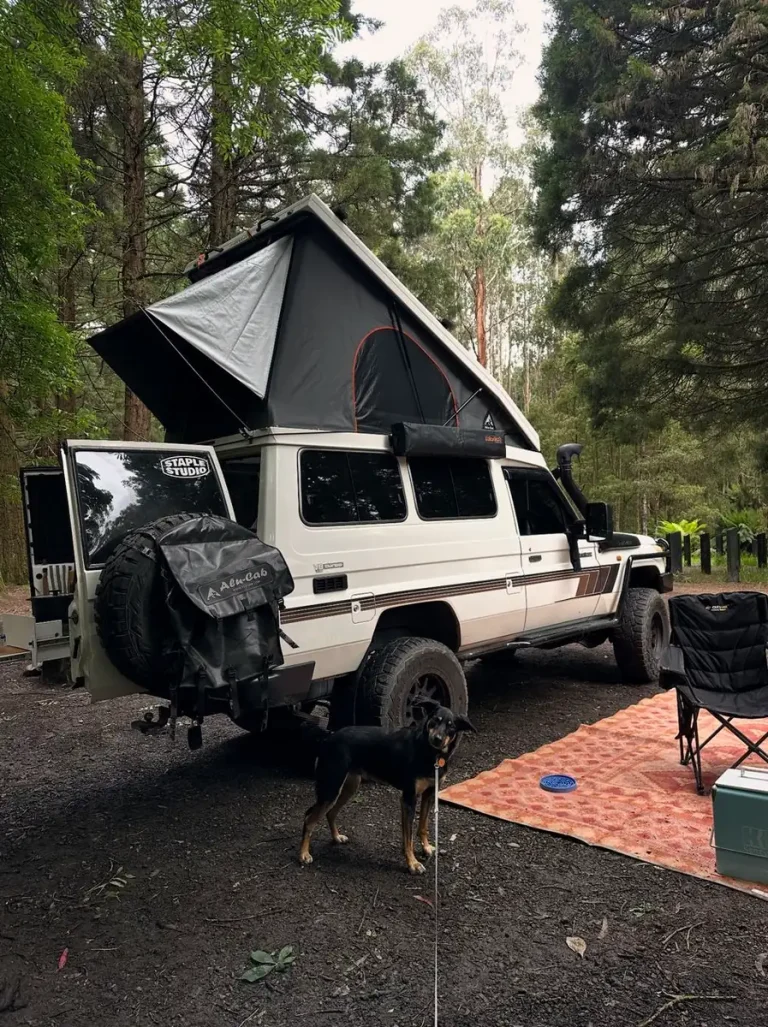
Ask ten Aussies how to see Uluru and you’ll get ten different yarns. Some will tell you to fly straight in, others will say to hit the road with a swag and an esky. But one thing’s for sure: whether you’re flying in from Sydney or crawling across the red dust in a beat-up Prado, the sight of Uluru rising from the desert floor will knock the wind out of you. It’s more than just a big rock—it’s a living, breathing place of culture, story, and spirit. This sandstone monolith, sitting proudly in Central Australia, is the heart of Uluru-Kata Tjuta National Park and a UNESCO World Heritage site.
Contents
Getting There
Flying In
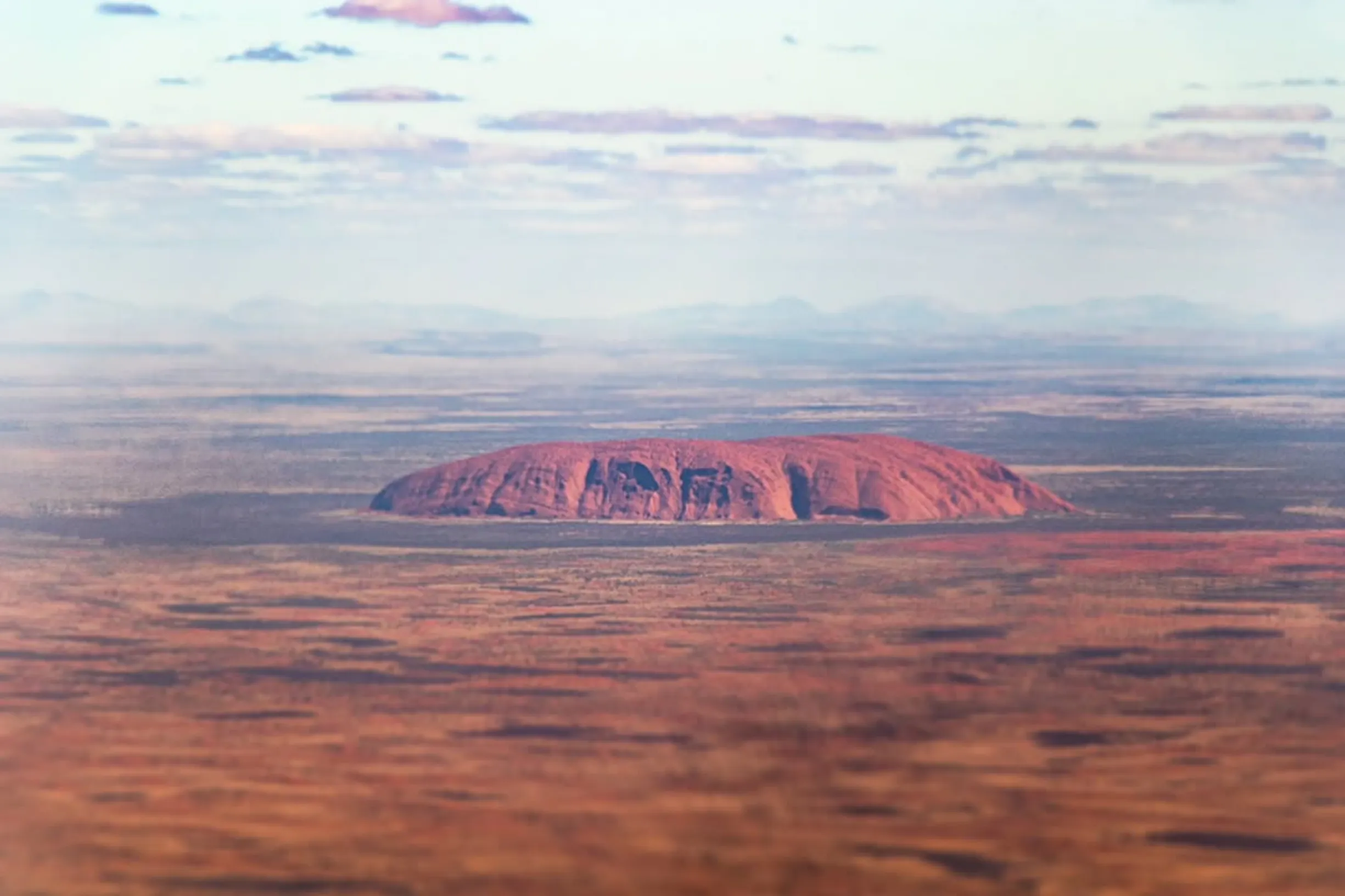
You can fly direct to Ayers Rock Airport (Connellan Airport) from most major cities like Sydney, Melbourne, and Alice Springs. Virgin Australia offers regular flights, though keep in mind there may be limited options depending on the season. Ayers Rock Airport is just a 15-minute drive to Yulara, and a shuttle bus will whisk you to your accommodation, whether it’s Desert Gardens Hotel, Outback Pioneer Hotel, or another resort in the Ayers Rock Resort complex.
Driving In
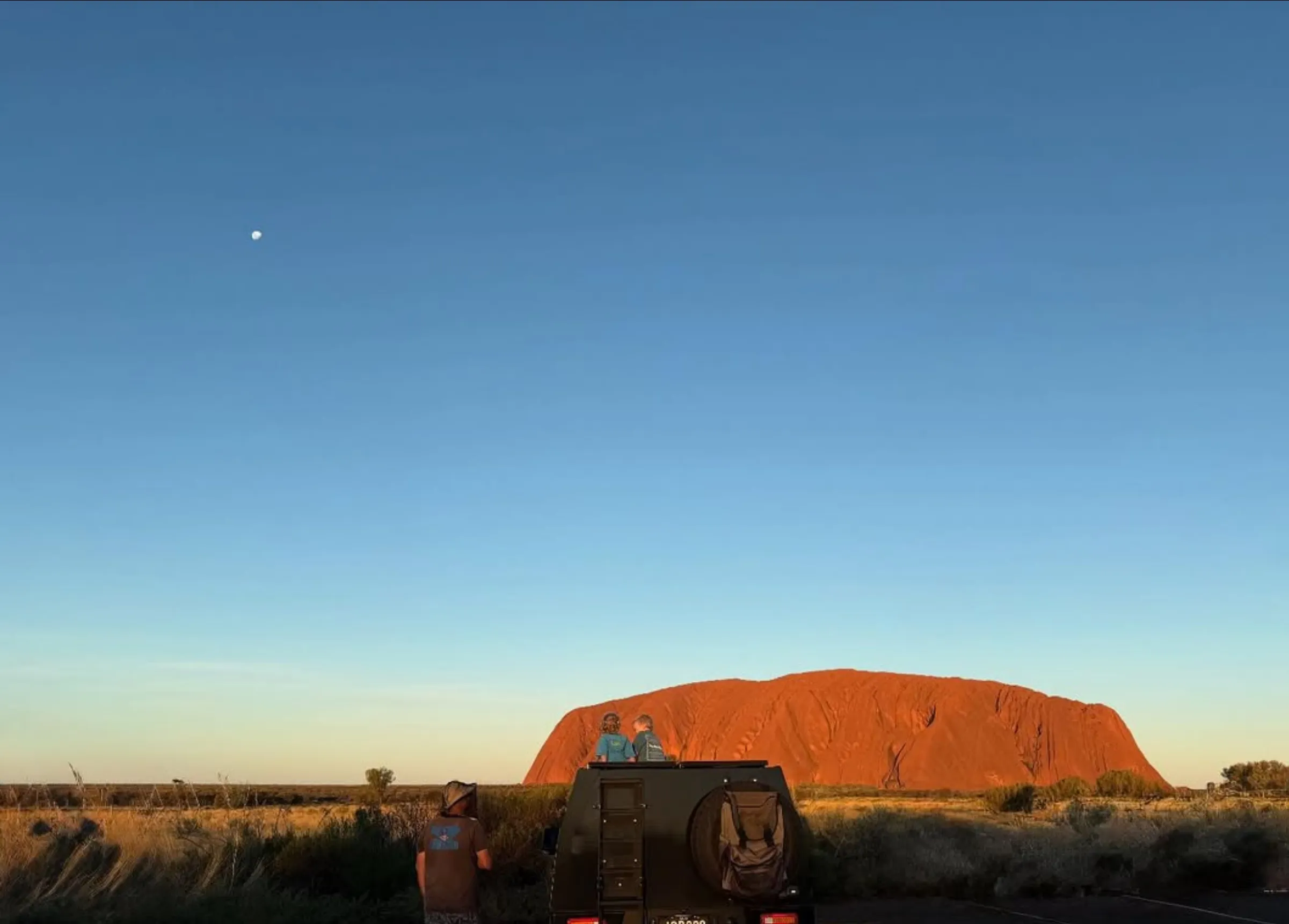
Now we’re talkin’. If you want the full Top End road trip experience, drive from Alice Springs (about 450km) or even from South Australia or Western Australia if you’re chasing an epic road trip. It’s about a 4-hour drive from Kings Canyon or a much longer haul from Adelaide, but either way, this red dirt highway delivers spectacular views and remote location vibes. Uluru trips from Darwin or Adelaide can be looped into a longer outback circuit.
Watch out for:
- Roos at dawn and dusk
- Road trains
- Speed limits (NT is notorious for open stretches, but stick to limits near townships)
- Fuel—Curtin Springs, Kings Creek Station, and Erldunda are essential petrol station stops
Where to Stay
Ayers Rock Resort (Yulara)
This is your hub. Yulara has everything from 5-star luxury wilderness camp experiences to budget resort hotels and campgrounds. Ayers Rock Campground is perfect for a return trip with the family, while Rock Resort and the Town Centre offer a good mix of accessible options and activities for hotel guests.
Campgrounds and Swagging
If you’re self-contained, the campground in Yulara is solid. But if you want the real outback luxury experience under the stars, head to Curtin Springs Station or camp near Mount Conner for panoramic views and a quieter night sky with almost zero light pollution.
Best Times of Day to See Uluru
Sunrise
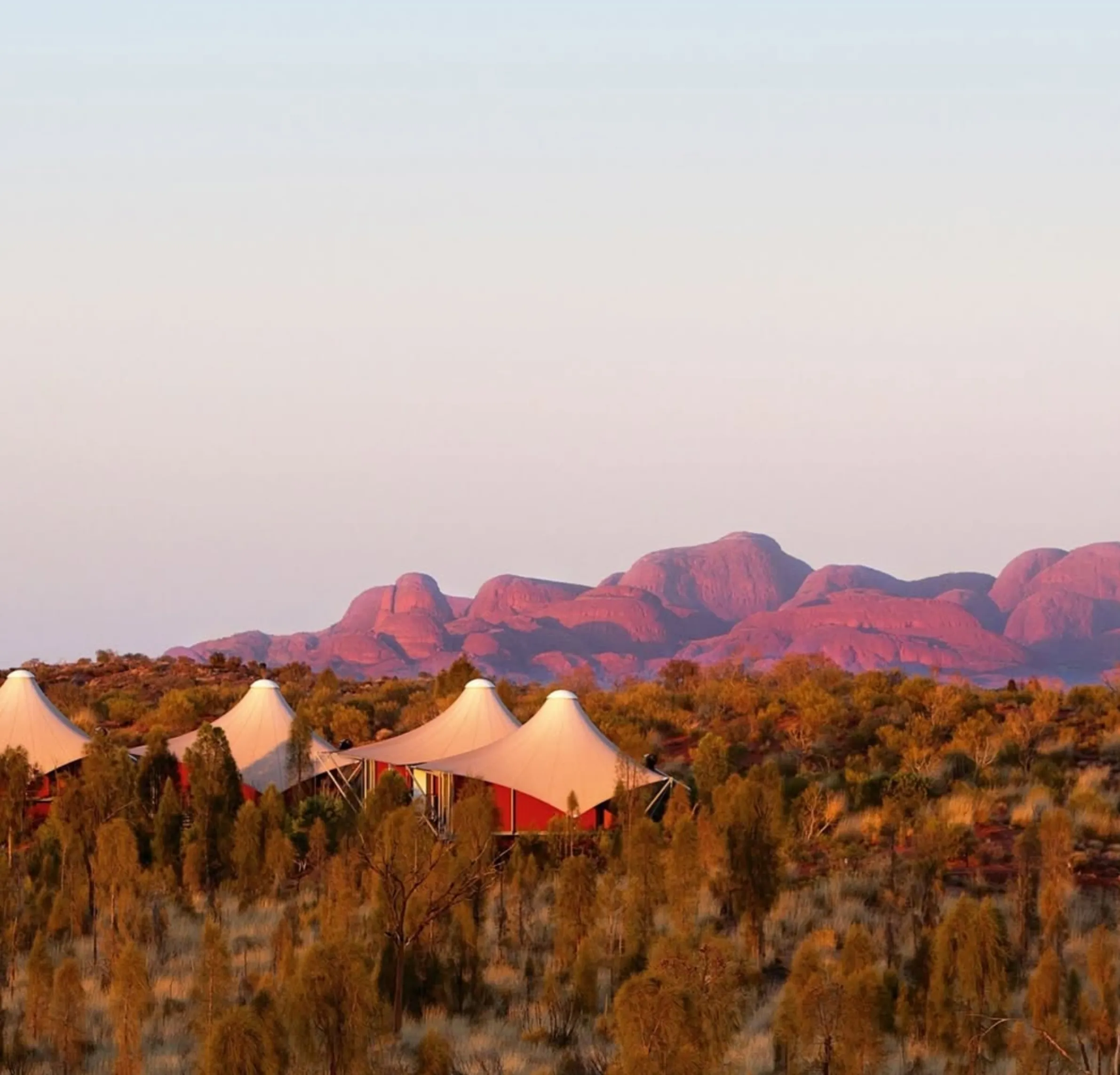
- Best seen from the Talinguru Nyakunytjaku viewing platform
- It’s the ultimate guide moment—layers of ochre and gold washing over a 348-metre-tall rock
- Dress warm; cold winter nights hit hard, even in the dry seasons
Sunset
- Find a classic sunset spot like the Sunset Viewing Area near Yulara
- The rock morphs through red to violet in a display that defines true beauty
- Time for sunset varies by season—ask park rangers or check the Town Centre info boards
Sunset Uluru tours are popular for a reason—they let you experience this shifting light with local stories, canapés, or even bush tucker tastings under the outback sky.
Bring
- Fly net (mozzies and bush flies love your face)
- Tripod (light conditions change fast)
- Hiking boots
- Patience (especially during peak seasons)
Walks and Cultural Insights
Base Walk (10.6 km loop)
- Do it early. It’s flat but long, and the sun will roast you after 10am
- Interpretive signs share insights into Anangu Aboriginal stories, the creation story, and Tjukurpa (traditional law)
Guided Tours
- Wayoutback Tours and SEIT Outback offer excellent cultural tours
- Choose tours led by Traditional Landowners or Aboriginal people for cultural significance
Mala Walk and Kuniya Walk
- Ideal for able-bodied persons looking for a shorter walk
- These 90-minute walks showcase rock art, sacred sites, and cool overhangs
Important:
- Respect the signs. Some areas request no photography out of cultural respect
- Do not climb the rock. It’s closed, and more importantly, it’s sacred
See It By Air, Camel, or Coach
Helicopter and Fixed-Wing Flights
- Get a bird’s eye view of this marvelous monolith and the surrounding rock formations
- Scenic flights also fly over Kata Tjuṯa National Park and the Valley of the Winds
- Helicopter flights typically run for 15 to 25-minute rides and offer a cheaper option to full-day aerial tours
Camel Rides
- Visit the camel farm at Yulara and join an adventure ride at sunrise
- Camels provide a unique way to view the rock’s silhouette against the morning light
Uluru Tours from Alice Springs
- These include return trip options with transport, meals, and a stop at Kings Canyon & Uluru
- Uluru tours from Alice Springs are ideal for those with limited time but a big travel passion
Sunset Uluru Tours
- Many include dinner under the stars, bush tucker, and even performances like Wintjiri Wiṟu—an immersive light and drone show that shares Anangu cultural stories
Other Uluru Tours
- Uluru tours range from sunrise hikes to guided night sky sessions
- Booking a dedicated Uluru tour gives you access to in-depth cultural insights and lesser-known spots
What Not to Miss Nearby
Kata Tjuta (The Olgas)
- Part of the Tjuta National Park and home to rock formations that rival Uluru in scale and majesty
- Valley of the Winds walk takes you through towering domes with spectacular views
Field of Light
- Created by Bruce Munro, this solar-powered art installation near the Rock Resort features 50,000 frosted glass spheres
- Book ahead—tickets sell out fast during peak seasons
Kings Canyon & Kings Creek Station
- Kings Canyon is another iconic landmark and natural beauty highlight
- A 4-hour drive from Uluru, it’s best seen as part of an entire trip itinerary
Cultural Protocols
Uluru-Kata Tjuta National Park is jointly managed with the Anangu Traditional Owners and park rangers.
- Always check access notices at the Town Square or with the Cultural Centre
- Stay on marked paths to protect the 500-million-year-old monolith
- Buy authentic art at Maruku Arts to support Aboriginal communities
- Avoid drones, loud behaviour, and cliff selfies
Final Thoughts
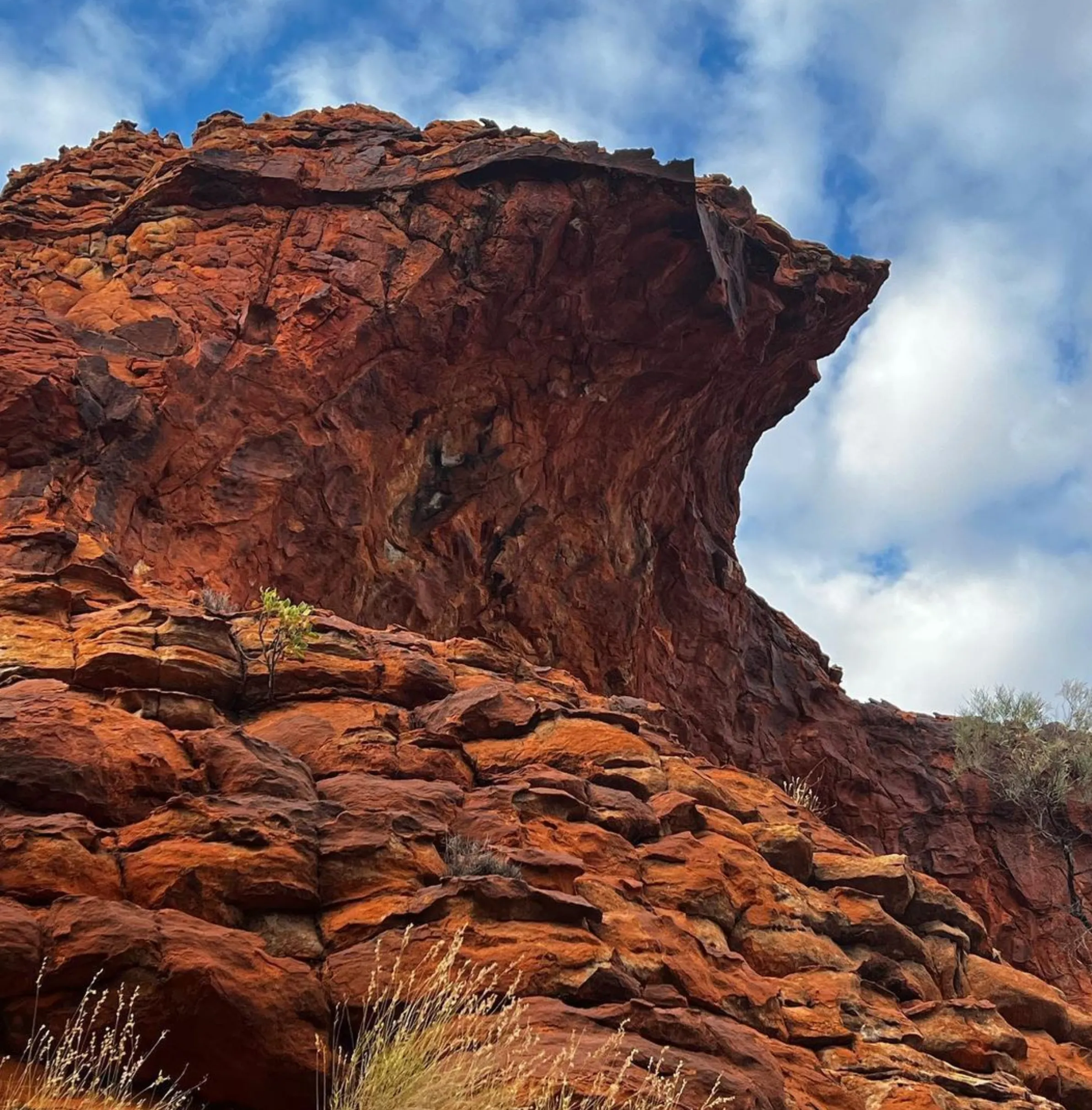
So how do you see Uluru? With your boots dusty, your heart full, and your respect intact. Whether you fly in on a cheap flight, choose the air parking option, or go full tilt on an epic road trip, Uluru delivers more than a view—it delivers a story.
This Australian landmark is not just a tourist site. It’s a cultural living space, an ancient presence, and a spiritual teacher. Whether you’re joining Uluru trips with expert guides or exploring solo, the impact is the same—profound.
So grab your park pass, lace up your hiking boots, and get moving—because this complete travel guide has just scratched the surface.
FAQ
What’s the best time of year to visit Uluru?
The dry season (May to September) offers cooler temperatures, clearer skies, and fewer mozzies—perfect for walks and sunset tours.
Can you climb Uluru?
No. Climbing Uluru is permanently closed out of respect for its cultural significance to the Anangu Traditional Owners.
Are there budget-friendly ways to see Uluru?
Yes—camping, shared shuttle buses, or booking group tours like those from Autopia Tours are affordable and still offer rich experiences.
How long should I stay at Uluru?
At least two to three days gives you time for sunrise and sunset viewings, cultural walks, and nearby attractions like Kata Tjuta and Kings Canyon.
Is a park pass required for Uluru-Kata Tjuta National Park?
Yes. You’ll need a valid park pass, which can be purchased online or at the Cultural Centre—it’s essential for all visitors.