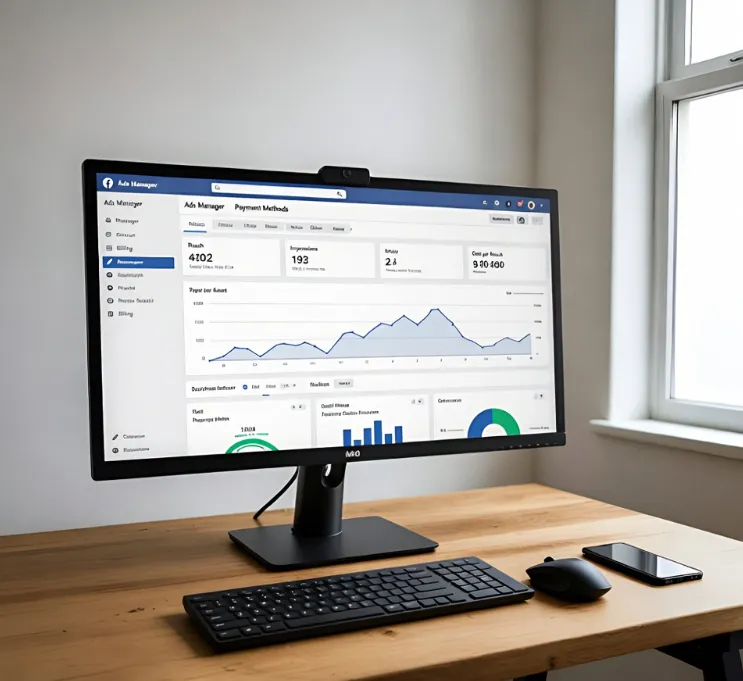
Conversions API for Melbourne businesses to sort out post-iOS tracking for paid ads and actually scale profitability is right at the top of the list of critical tasks for any business relying on Meta Ads, Google Ads and all the rest to actually make some money.
Apple’s privacy changes basically made all those browser-based tracking pixels useless. Loads of companies are now running paid ads across social media with no proper conversion data to work with, which pretty much means their optimisation is shot, growth is grinding to a halt, and they’re just getting misleading performance reports.
The Karma Media Strategy Team is always digging into Melbourne ad accounts where actual revenue is way higher than what the platforms reckon it should be. And in most cases, the problem isn’t that the ads themselves are failing – it’s just that the conversion tracking has been broken all along.
The Conversions API plugs that gap by sending conversion data directly from the server to the platforms, which makes a massive difference to how well your ads are optimised across Meta Ads, Google Ads, and other channels.
Contents
- 1 Why Start Using Server-Side Tracking Again?
- 2 The Big Problem is the Data Just Vanishes
- 3 How The Conversions API Can Fix That
- 4 Reliable Campaign Data Systems
- 5 Event Infrastructure that Top-Performing Accounts Use
- 6 Karma Media Upgrading Local Acquisition Systems
- 7 Building a Funnel That Keeps Conversion Signals Safe
- 8 Where Tracking Tends to Break Down Most
- 9 A Reliable Funnel Tracking Framework to Get You Stabilised
- 10 Creative Performance Requires Attribution
- 11 What’s the Point of Creative Testing Anyway?
- 12 When Do You Need to Get New Ads?
- 13 Making Sense of Your Ads with Accurate Attribution
- 14 Tracking Methods Compared
- 15 Not Having Accurate Conversion Data Can Be a Killer
- 16 When You Finally Get It Right
- 17 How You Can Grow Your Ad Campaigns
- 18 Ad Strategy That Actually Works
- 19 Keeping Customers Coming Back
- 20 When You Integrate Adverts With Your Digital Life
- 21 Strategic Takeaway
- 22 FAQ
- 22.1 How Does The Conversions API Actually Help With Advertising Data?
- 22.2 Is The Meta Pixel Dead and Gone?
- 22.3 Can You Actually Get a Better RoI From Retargeting Ads With Better Tracking?
- 22.4 Is Server-Side Tracking Actually Worth It For Google Ads?
- 22.5 Who Benefits Most From Having This Kind Of Setup In Place?
Why Start Using Server-Side Tracking Again?
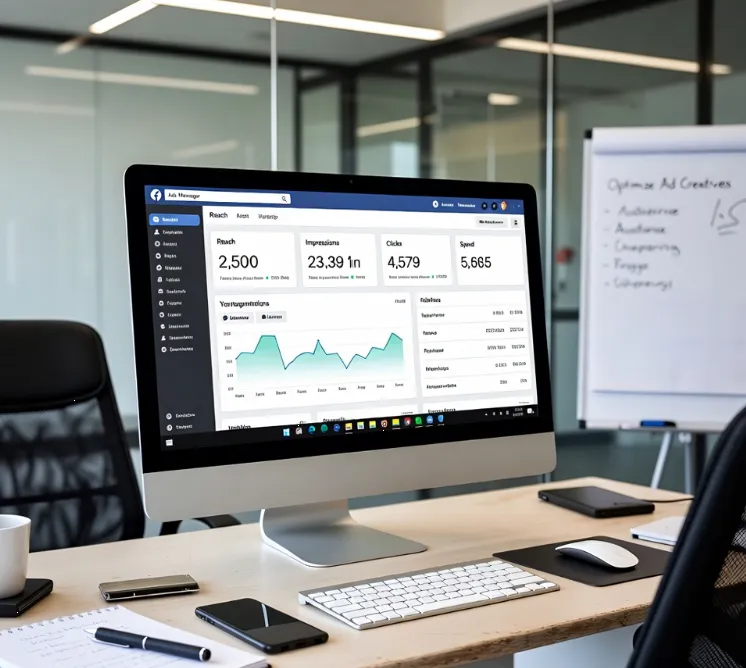
Paid ads need behavioural signals to figure out which users are actually converting. And when that data just vanishes, so do the optimisation and the savings – and advertising costs go up.
Before all this iOS business, most advertisers were using browser-based tracking pixels, especially the Meta Pixel, to track purchases and leads.
But that just isn’t reliable anymore
The Big Problem is the Data Just Vanishes
Loads of businesses are losing a big chunk of their conversion visibility because
- users block cookies
- iOS devices just won’t let you track anything
- privacy settings just mess up the browser signals
- some third-party scripts just flat out don’t work
That means you’re stuck with conversion tracking that just isn’t accurate – and the platforms are optimising with no-idea-what’s-really-going-on data
That, in turn, just screws up campaigns
How The Conversions API Can Fix That
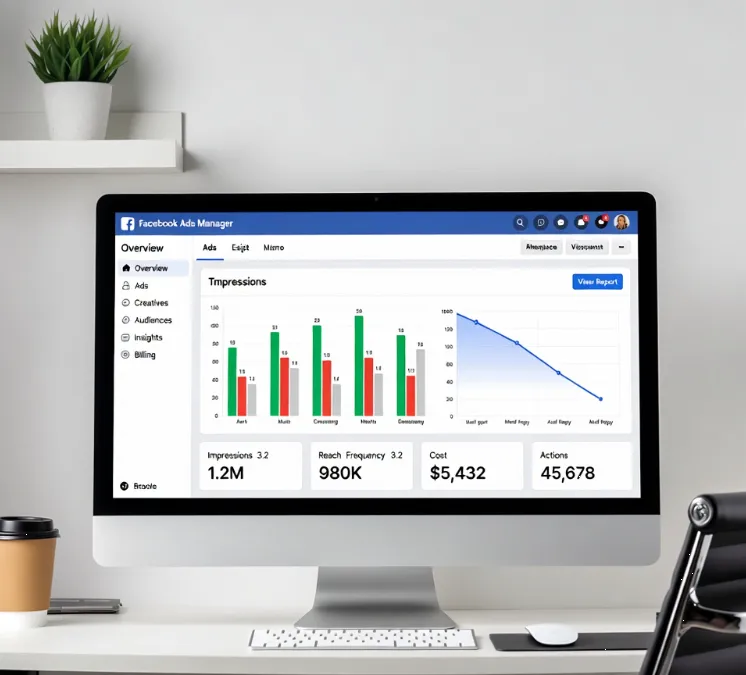
The Conversions API plugs the gap by sending conversion data from your server, rather than relying on whatever browser cookies are still floating around.
Instead of just sending data from the browser, you’re sending server events from
- your website server
- your CRM system
- your checkout platform
- your backend database
All that reliable data then gets fed back into platforms like Meta Ads and Google Ads.
For businesses working with Karma Media, the results are usually pretty dramatic – their optimisation starts to get much better within weeks of switching to server-side event tracking.
Reliable Campaign Data Systems
When advertising platforms get a steady supply of consistent, accurate event signals, that’s when they’re really performing at their best.
So nowadays, if you want a modern campaign system, you need to be combining browser tracking with server-side tracking.
Event Infrastructure that Top-Performing Accounts Use
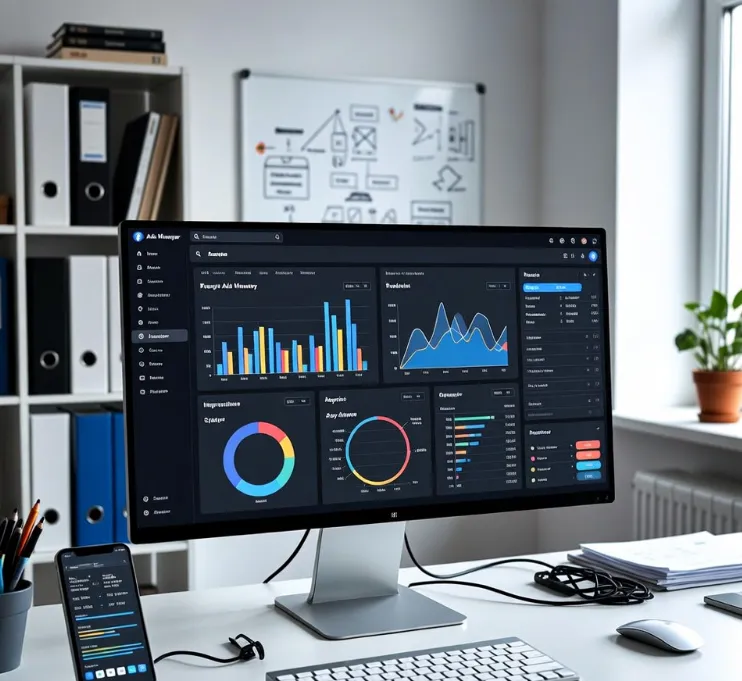
A good data framework usually has some of these in place:
- Meta pixel tracking in the browser (though no one calls it a meta pixel anymore)
- The Conversions Api helping out with server events
- Using Google Tag Manager to route events
- Google Analytics to measure all the analytics
- Event prioritising for the really important conversion events
That architecture helps platforms identify high-value users and run highly effective acquisition campaigns.
Karma Media Upgrading Local Acquisition Systems
When our team of experts rebuilds acquisition systems for clients across Melbourne, we often find that actual sales in clients’ e-commerce stores are much higher than what Ads Manager reports.
When we get server-side tracking up and running:
- the conversion data starts coming in a lot clearer
- the campaign performance levels out
- optimisation becomes a lot more predictable
Lots of businesses running Facebook ad management in Melbourne, or working with agencies, run into these issues before upgrading their tracking systems.
Building a Funnel That Keeps Conversion Signals Safe

If a high-performing funnel can maintain signal integrity from that first ad click through to the final purchase, then it’s doing its job.
But when data gets lost inside the funnel, then advertising platforms lose the signals they need to run proper campaign optimisation.
Where Tracking Tends to Break Down Most
Conversion signals tend to disappear at these stages:
- the landing page environment, usually because we’ve messed up the environment
- payment gateways, because well, payments get messy
- external checkout pages because they’re not under our control
- CRM or booking systems because theyre just not configured right
- and all those poorly configured third-party scripts that just mess everything up
Every time data breaks, it counts as a lost conversion signal, which is returned to the advertising platforms.
A Reliable Funnel Tracking Framework to Get You Stabilised
To keep attribution on track, modern funnels should have some of these in place:
- So like browser event tracking
- Server-side event transmission, though, has its own set of issues
- Google consent mode to keep the ads compliant
- Backend first-party data matching to make sure it’s all coherent
- CRM conversion feedback, to make sure that the CRM is on the same page
Having this structure in place helps ensure that conversion events remain visible even when browser tracking fails.
Companies that invest in Facebook ads management solutions in Melbourne are pretty diligent about implementing these frameworks to stabilise their ad results.
Creative Performance Requires Attribution
Testing different ad creatives is crucial in today’s advertising world if you want to drive growth.
But here’s the thing – all that testing is useless if you can’t trust the data you’re getting from your ads.
Without reliable event tracking, you’re basically flying blind and making decisions based on hope rather than fact.
What’s the Point of Creative Testing Anyway?
When it comes to running ad tests, the performance team is trying to figure out what makes your ads tick.
They’ll be looking at things like:
- Does that opening hook grab their attention?
- Video or static ads – which one works better?
- How do you structure your offers?
- Do the authority and proof in your ads help build trust?
- Is your messaging in the ad copy clear and effective?
And if you don’t have reliable conversion tracking, then all that data you’re collecting is pretty much worthless.
When Do You Need to Get New Ads?
The other thing that reliable data helps with is spotting ad fatigue – when your audience is just getting sick of seeing the same old ad over and over.
You know, it’s one thing to have a bunch of people click on your ad at first, but when you’re paying more and more to get the same number of clicks, that’s when you know you’ve got a problem.
Tracking stuff like:
- Click-through rates
- Cost per acquisition
- Conversion rates
helps you figure out when it’s time to break out the new ad creative.
Companies in Melbourne that run Facebook ads often make a big point of doing extensive creative testing once they’ve got their attribution system sorted.
Making Sense of Your Ads with Accurate Attribution
Today’s advertising platforms are all about attribution modelling.
But when your conversion signals go dark, all your reporting goes haywire.
Tracking Methods Compared
| Tracking Method | Data Source | Reliability Today | Effect On Optimisation |
| Browser tracking pixels | Cookies | Low | Missing signals |
| Conversions API | Server events | High | Strong optimisation |
| CRM event feedback | Backend systems | Very high | Accurate revenue attribution |
Server-side events can be a real game-changer when it comes to attribution tracking – they help get those missing conversion signals flowing again.
This means businesses can finally get a clear picture of how well their multi-channel ad campaigns are really performing.
Not Having Accurate Conversion Data Can Be a Killer
Trying to scale ad budgets without any reliable data is one of the most common ways to waste a ton of money.
Often, businesses cut back on profitable ad campaigns because their attribution metrics look weak.
When You Finally Get It Right
The performance teams at Karma Media have a pretty solid approach to scaling ad budgets.
First things first, you’ve got to make sure your conversion tracking is spot on.
Then you need to check that your conversion rates are solid on the landing page and throughout the checkout system.
Once you’ve got these metrics sorted, you can start increasing budgets in small increments while keeping a close eye on campaign performance.
How You Can Grow Your Ad Campaigns

Growth usually comes from:
- reaching new audience segments
- broadening your targeting
- expanding on your retargeting ads
- testing new ads to see what works
Having good conversion data means you can make scaling decisions that protect your contribution margin rather than blow it.
Ad Strategy That Actually Works
Successful ad strategies are all about optimising for immediate revenue – but also for long-term customer value.
Businesses need to track metrics like:
- how much does it cost to acquire a new customer
- the average order value
- how often do customers come back
- whether they’re participating in customer loyalty programs
When your ad platform receives a clear signal from conversion data, it learns to focus on customers most likely to be long-term revenue generators.
Keeping Customers Coming Back
A lot of businesses boost their customer value by using:
- email remarketing campaigns
- SMS campaigns
- retention promotions
- workflow automation in your CRM system
These strategies can increase the profitability of your ad campaigns on Meta Ads and Google Ads.
When You Integrate Adverts With Your Digital Life
More and more modern brands are integrating their ad systems with the rest of their digital infrastructure.
Think mobile apps getting promoted through Google Play and the App Store, or progressive web apps used for mobile commerce, or even product platforms built with React Native, or app development environments using Android Studio.
When these digital products feed event data back into your ad system, the platform gets a clearer signal on what’s working and what’s not.
Companies running Facebook ads in Melbourne for their mobile products often rely heavily on these event integrations to ensure they’re getting the best possible results.
Strategic Takeaway
The platforms that really succeed in advertising are the ones able to show a steady stream of reliable conversions, and that’s exactly what’s lacking from businesses relying solely on browser tracking pixels – their data just isn’t good enough to give them a competitive edge across all the major ad networks, including Meta Ads, Google Ads, and the rest.
We at Karma Media see this all the time with companies in Melbourne that come to us when their ad performance stalls due to missing conversion data. Once we get their tracking sorted out, we put in proper server-side event tracking and attribution systems, and suddenly everything starts working the way it’s meant to, and scaling their ads becomes much more predictable.
Companies that make the effort to get on top of their tracking game today are gonna leave their competitors in the dust who are still clinging to their old browser-only tracking methods.
FAQ
How Does The Conversions API Actually Help With Advertising Data?
The Conversions API does its magic by taking conversion events directly from your server and sending them to the ad platforms, so you’re no longer held back by browser restrictions and can finally get the accurate conversion tracking you need.
Is The Meta Pixel Dead and Gone?
No way, the Meta Pixel still has its uses, especially when it comes to browser tracking. But the real power comes when you combine it with server-side events – that’s when your attribution tracking really takes off.
Can You Actually Get a Better RoI From Retargeting Ads With Better Tracking?
Absolutely. When platforms get a clearer signal, they can build more accurate audience segments, which means your retargeting ads are gonna perform way better.
Is Server-Side Tracking Actually Worth It For Google Ads?
Definitely. When you’re sending stronger event signals, you get better optimisation inside Google Ads and more accurate reporting in Google Analytics.
Who Benefits Most From Having This Kind Of Setup In Place?
Companies running e-commerce sites, service businesses that generate leads, SaaS companies, and even those Aussie startups that rely on paid ads to get the word out – all these kinds of businesses are gonna get a serious boost from having a solid tracking infrastructure in place.